

Quick summary: Autonoma is the open source, AI-native alternative for teams that want to replace qTest's manual test workflow, not a drop-in test case management replacement. qTest is an enterprise test management platform focused on compliance and regulatory workflows, with contracts starting at $50K-$200K+/year. Autonoma uses AI agents to autonomously plan, execute, and maintain tests from your codebase on managed preview environments. Open source (BSL 1.1), self-hosted free, and better compliance through full source code transparency. A paradigm shift from enterprise test management to autonomous testing.
Tricentis qTest is enterprise test management for organizations that need compliance audit trails, regulatory reporting, and integration with the broader Tricentis suite. It does not generate tests. It does not execute them autonomously. It organizes the manual work your team already does and charges six figures for the privilege. Autonoma is an AI-native testing and preview-environments platform that reads your codebase and handles the full testing lifecycle, and it is open source.
Where Tricentis qTest Falls Short
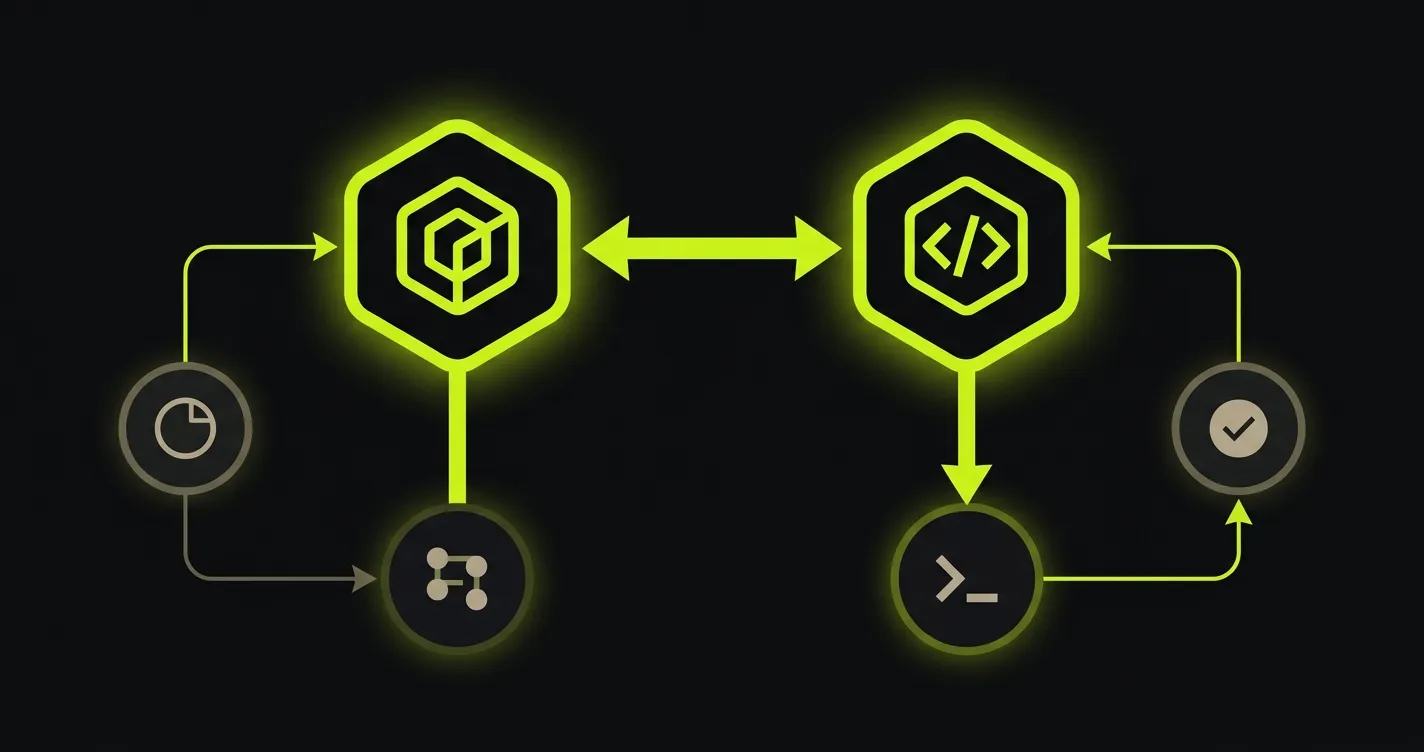
Autonoma runs four agents in a feedback loop: the Planner and Diffs Agent drive the process, while the Executor and Reviewer carry out and validate each run.
Enterprise Pricing That Excludes Most Teams
qTest does not publish pricing. There is no self-serve plan, no free tier, no transparent pricing page. You contact Tricentis sales, negotiate an enterprise contract, and sign an annual commitment. Industry reports and customer reviews consistently place qTest contracts in the $50,000-$200,000+ per year range depending on organization size, modules selected, and user count.
That pricing model creates several problems. Engineering teams that want to evaluate qTest cannot do so without a multi-week sales cycle. Startups and mid-size companies are priced out entirely. Even within enterprises, the budget approval process for six-figure testing tools can take months. By the time the contract is signed, the team has already built workarounds.
And the total cost goes beyond licensing. qTest requires dedicated administrators to configure projects, manage permissions, set up integrations, and maintain workflows. Organizations typically allocate 0.5-1 FTE just for qTest administration. Add training costs for new team members, integration maintenance, and the opportunity cost of managing tests manually, and the true cost of ownership easily doubles the license fee.
Tricentis Ecosystem Lock-In
qTest is designed to work within the Tricentis ecosystem. Tosca for test automation. NeoLoad for performance testing. LiveCompare for SAP testing. qTest for test management. Each tool is sold separately, and each one works best with the others.
This creates a gravitational pull toward full Tricentis adoption. Once your test management lives in qTest, adding Tosca for automation feels natural. Then NeoLoad for performance. Before long, your entire testing infrastructure depends on a single vendor's proprietary suite. Migrating away from one tool means migrating away from all of them.
The integration between qTest and non-Tricentis tools exists but is secondary. REST APIs and plugins connect to Jenkins, Jira, and Selenium, but these integrations receive less investment than the Tricentis-to-Tricentis connections. Teams that use GitHub Actions, GitLab CI, or modern CI/CD pipelines often find the integration story incomplete.
Manages Tests but Does Not Generate or Execute Them
qTest's core function is test case management: organizing test cases, tracking execution, generating compliance reports, and maintaining audit trails. It is very good at this. But it does not write tests. It does not analyze your codebase to suggest what should be tested. It does not execute tests autonomously. It does not maintain tests when your application changes.
Your QA team still writes every test case by hand. Your automation engineers still build and maintain Selenium, Playwright, or Cypress scripts separately from qTest's test documentation. When features change, someone updates the qTest test case AND the automated test code. Two artifacts, two maintenance burdens, perpetually out of sync.
For compliance-focused teams, the irony is notable: qTest provides audit trails for a manual process that is inherently error-prone. Humans forget to update test cases. Humans skip steps during manual execution. Humans misclassify test results. The compliance reporting is only as reliable as the manual process it tracks.
Autonoma: The Open Source Alternative to Tricentis qTest
Autonoma is an open source, AI-native testing platform that replaces manual test case management with autonomous agents. Instead of organizing manual work, it eliminates manual work.
Four Agents, Zero Manual Work
1. Planner Agent (Replaces Manual Test Case Writing). Connects to your GitHub repository and reads your codebase. Analyzes routes, API endpoints, and component structure. Identifies user flows and critical paths. Generates test scenarios from actual code, including complex scenarios like database state setup. You do not write test cases; the Planner agent creates them by understanding your application architecture.
2. Diffs Agent (Replaces Manual Test Maintenance). Triggered on every pull request. Reads the code diff, then adds, deprecates, or updates test cases so the suite stays aligned with what actually changed. You do not update tests by hand when features change; the Diffs Agent keeps the suite current automatically.
3. Executor Agent (Replaces Manual Test Execution). Runs the planned test cases against a live preview environment on real browsers (Playwright) and real mobile devices (Appium). Uses AI-powered vision models to find elements instead of CSS selectors or XPaths. Adapts to your UI automatically. Generates execution reports with screenshots and logs.
4. Reviewer Agent (Replaces Manual Result Triage). Evaluates every test run and classifies what it finds: a real bug, an agent error, or a mismatch between the test plan and the current application behavior. You do not manually triage failures; the Reviewer agent tells you what actually needs attention.
Planner and Diffs Agent do the primary reasoning work of understanding your codebase and keeping tests current; Executor and Reviewer carry out the runs and classify the results. Verification layers at each step ensure consistent, reliable behavior. Agents do not take random paths or make probabilistic guesses.
Why Open Source Means Better Compliance
This is the critical point for teams currently using qTest for compliance reasons. qTest provides audit trails within a closed-source platform you cannot inspect. You trust Tricentis to implement audit logging correctly. You trust their cloud infrastructure with your test data. You trust their compliance certifications.
Autonoma is open source. Your compliance team can audit the entire testing infrastructure at the source code level. Self-hosted deployment keeps all test data on your own infrastructure. Every line of agent logic, every test execution step, every reporting mechanism is available for inspection at github.com/autonoma-ai/autonoma.
For regulated industries (healthcare, fintech, defense), open source testing infrastructure is not just a cost advantage. It is a compliance advantage. Auditors can verify exactly how tests are generated, executed, and reported. No black boxes, no vendor trust assumptions.
Key Features
Open Source Architecture. The full codebase is available at github.com/autonoma-ai/autonoma under a BSL 1.1 license that converts to Apache 2.0 in March 2028. Self-hosted deployment with no feature restrictions. Audit, modify, and extend the code as needed.
Codebase-First Testing. Tests are generated automatically from your codebase. AI agents analyze routes, components, and user flows. Framework agnostic: React, Next.js, Vue, Angular, Flutter, React Native. The GitHub App integration reads your repo structure to understand your application.
Zero Maintenance. Self-healing tests adapt to UI changes automatically using vision-based element detection. The Planner agent handles database state setup. No test scripts to update when features change.
Cross-Platform Coverage. Test across web browsers (Chrome, Firefox, Safari via Playwright), iOS (simulator and real devices via Appium), and Android (emulator and real devices via Appium), all from a single test definition.
Developer-Friendly Workflow. Terminal-native interface that integrates with coding agents like Claude and Cursor. CI/CD integration via GitHub Actions, GitLab CI, and CircleCI. Runs locally or in cloud infrastructure.
Detailed Feature Comparison
Before the table: qTest and Autonoma are not the same category of product. qTest is a test case management platform, a system of record for organizing, tracking, and reporting on test cases that humans write. Autonoma is an AI-native testing and preview-environments platform; it does not manage a repository of manually authored test cases because it removes the need to author them by hand. The comparison below covers the dimensions where the two products genuinely overlap: how tests get created, run, and maintained, and how each platform handles openness and hosting. It is not a claim that Autonoma replaces every compliance and reporting function a dedicated test case management system provides.
| Feature | Tricentis qTest | Autonoma |
|---|---|---|
| AI Capability | None (test cases are authored and organized by humans) | Four AI agents: Planner and Diffs Agent plan and maintain tests, Executor and Reviewer run and classify results |
| Test Case Generation | Manual (humans write test cases) | Automated (Planner agent reads code and generates tests) |
| Test Execution | Manual or via separate Tricentis Tosca tool | Automated (Executor agent runs tests against a live preview environment) |
| Test Maintenance | Manual (humans update when features change) | Automated (Diffs Agent updates and deprecates tests from PR code diffs) |
| Codebase Integration | None (does not read codebase) | GitHub App reads routes, components, flows to generate and maintain test plans |
| Open Source | No (proprietary, closed source) | Yes (BSL 1.1, github.com/autonoma-ai/autonoma) |
| Self-Hosting | On-premise option (requires enterprise contract) | Full support (deploy anywhere, no restrictions, free) |
The Cost Reality
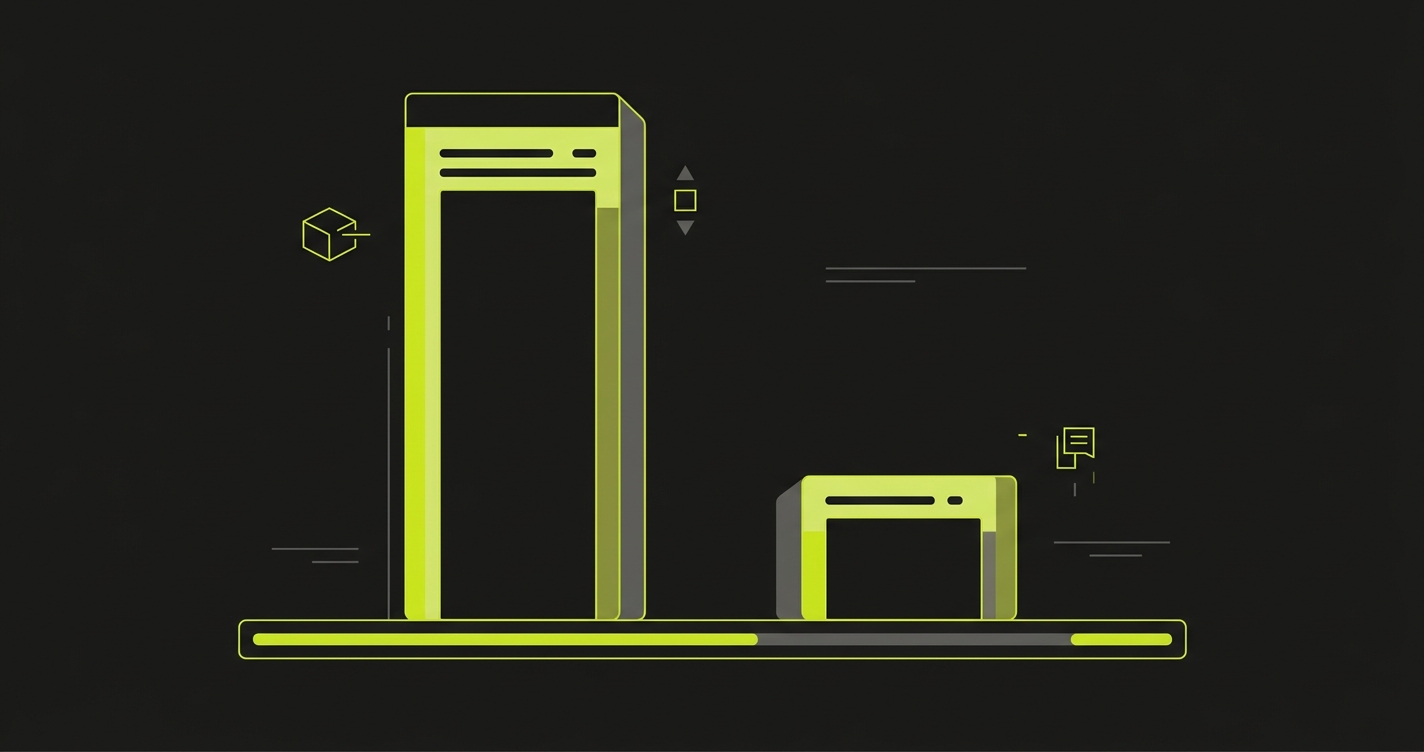
qTest's enterprise pricing deserves closer examination because it represents a fundamentally different cost structure than modern testing tools.
qTest licensing: $50,000-$200,000+/year. This covers the test management platform itself. Enterprise contracts are annual commitments with multi-year discounts that also increase switching costs. Pricing is per-user and per-module, so costs grow as teams expand or add capabilities like qTest Pulse, Insights, or Parameters.
Tricentis ecosystem costs. Most qTest customers eventually add Tosca ($100K+/year for enterprise), NeoLoad, or other Tricentis products. The total Tricentis spend for a mid-size enterprise can exceed $500K annually.
Administration costs. qTest requires dedicated administrators for project setup, permission management, workflow configuration, and integration maintenance. At 0.5-1 FTE, that is $50K-$100K in salary costs allocated to tool management.
Manual testing labor. qTest does not reduce testing work. It organizes it. Your QA team still spends 20-40% of their time writing and maintaining test documentation. For a 10-person QA team at $120K average salary, that is $240K-$480K annually in test documentation labor.
Total cost of ownership: $390K-$880K+/year for a mid-size enterprise using qTest.
Autonoma's model eliminates most of these costs. Self-hosted is free with no feature restrictions. Cloud starts at $499/month ($5,988/year). No per-user fees, no enterprise contracts, no sales cycles. AI agents eliminate test writing and maintenance labor. No dedicated admin required. A 10-person QA team using Autonoma cloud spends $5,988/year instead of $390K+. Self-hosted teams spend $0 on licensing.
Migration from qTest to Autonoma
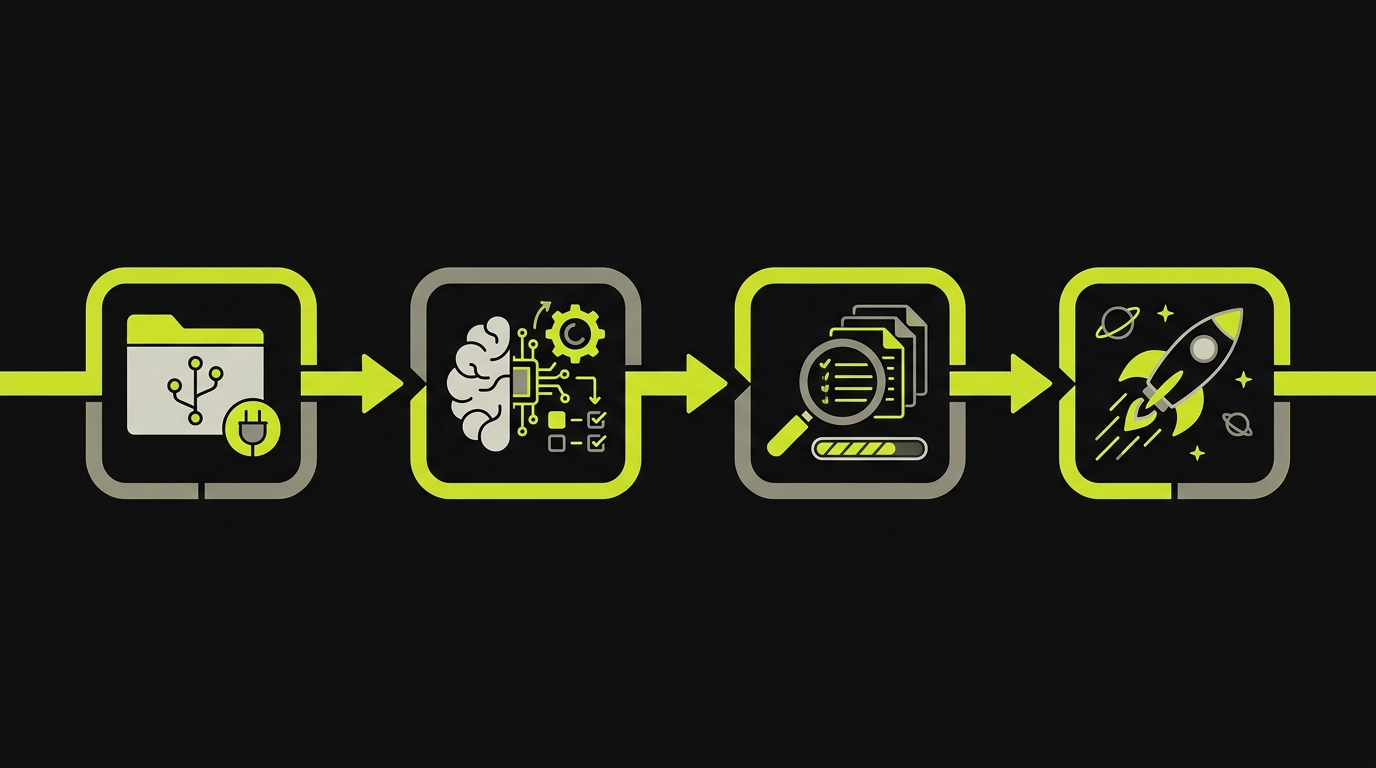
Migration from qTest to Autonoma does not require exporting test cases, reformatting test steps, or recreating test suites. Autonoma generates tests from your codebase, not from imported documentation.
Week 1: Setup. Sign up for the free tier and connect your GitHub repository via the GitHub App. The Planner agent analyzes your codebase and generates an initial test plan. No configuration required beyond repository access.
Week 2-3: Pilot. Run pilot tests on 5-10 critical user flows. Let the Executor agent run them against a live preview environment. Review results, failure reports, and coverage. Compare against your existing qTest test cases for the same flows.
Week 3-4: Parallel Run. Run Autonoma alongside qTest for your full test suite. Most teams find that Autonoma's AI-generated tests cover equal or greater scope than manually-written qTest test cases, particularly for edge cases that manual testers miss.
Week 5+: Transition. Integrate with your CI/CD pipeline for automated execution on every pull request. Archive historical qTest data for compliance records. Cancel the Tricentis contract.
For compliance-focused teams: Autonoma's execution logs, screenshots, and test reports provide audit trail coverage. The open source codebase allows your compliance team to verify the testing infrastructure itself, something qTest's proprietary platform cannot offer.
Frequently Asked Questions
Autonoma is the best open source alternative to Tricentis qTest. Unlike qTest's enterprise test management approach requiring $50K-$200K+ annual contracts, Autonoma uses AI agents to autonomously generate, execute, and maintain tests. It's open source under a BSL 1.1 license (github.com/autonoma-ai/autonoma), requires no Tricentis ecosystem lock-in, and offers free self-hosting with no feature limits.
No. Tricentis qTest is a proprietary enterprise test management platform. It requires enterprise sales contracts, is closed source, and locks you into the Tricentis ecosystem (Tosca, NeoLoad, LiveCompare). Autonoma is fully open source under a BSL 1.1 license with the entire codebase available at github.com/autonoma-ai/autonoma.
Tricentis qTest uses enterprise-only pricing with annual contracts typically ranging from $50,000-$200,000+ depending on organization size and modules. Pricing is not publicly listed. Autonoma offers a free tier (100K credits, no credit card), cloud plans starting at $499/month, and free self-hosted deployment with no feature limits. The total cost of ownership difference is dramatic: $390K+/year for qTest versus $5,988/year or $0 self-hosted for Autonoma.
Yes. Autonoma is open source (BSL 1.1 license) and can be self-hosted on your infrastructure with zero feature restrictions. Clone the repo from github.com/autonoma-ai/autonoma and deploy on Kubernetes, Docker, or any Node.js environment. For compliance-focused teams, self-hosting means full audit access to the source code, something qTest's proprietary platform can never provide.
Yes, and with a stronger foundation. qTest provides compliance through audit trails and regulatory reporting within a closed-source platform you cannot inspect. Autonoma is open source, so compliance teams can audit the entire testing infrastructure at the code level. Self-hosted deployment keeps all test data on your infrastructure. True compliance requires transparency, and open source is the most transparent foundation possible.
Migration does not require exporting or importing test cases. Autonoma's Planner agent reads your codebase and generates test plans automatically, and the Executor agent runs them against a live preview environment. Sign up for the free tier, connect your GitHub repository, and let the AI analyze your application. Most teams run Autonoma in parallel with qTest for 2-4 weeks before fully transitioning. Historical qTest data can be archived for compliance records.
Test management platforms like qTest help you organize, track, and report on manually-created test cases. Humans write tests, maintain them, and execute them. The platform is a sophisticated filing cabinet. Autonoma is not a test case management platform: it is an AI-native testing and preview-environments product where agents do the work a filing cabinet cannot. The Planner agent reads your code and plans test cases, the Executor agent runs them against a live preview environment, the Reviewer agent classifies each result as a real bug, an agent error, or a test-plan mismatch, and the Diffs Agent keeps the suite current from every pull request's code diffs. Teams that need a system of record for manually authored test cases still need something like qTest; teams that want the manual authoring and maintenance replaced use Autonoma instead.
The Bottom Line
Tricentis qTest organizes manual test cases for enterprise compliance teams. It is not trying to be an AI testing platform, and it is not one. Autonoma is a different category: an AI-native testing and preview-environments product where agents read your codebase, plan tests, run them against a live preview environment, classify the results, and keep the suite current on every pull request, so there is far less manual test work left to manage in the first place.
It is open source (github.com/autonoma-ai/autonoma), requires no Tricentis ecosystem, and offers free self-hosting. For compliance-focused teams, open source testing infrastructure provides stronger auditability than any proprietary platform. You can inspect every line of code that generates, executes, and reports on your tests.
Start with Autonoma's free tier. Connect your GitHub repo, let the Planner agent analyze your codebase, and see autonomous testing in action. No credit card required, no enterprise sales cycle, no test cases to migrate.
Related Reading:


