

The 500 Global traction problem: At 500 Global Demo Day, investors read MoM growth curves, not just revenue snapshots. A pilot that churns or stalls because of a bug does not just cost the deal. It breaks the growth curve that the entire investor presentation depends on. The batch cohort structure means your peers' numbers are visible alongside yours. Founders who ship fast and protect their pilots run into Demo Day with a clean upward line. Founders who ship fast without protecting their pilots often find that the line dips in the month right before Demo Day, when shipping velocity is highest and pilot risk is at its peak.
500 Global investors are distribution thinkers. The accelerator was built on the premise that growth is the metric, that month-over-month user acquisition and revenue growth is what separates companies worth backing from companies still figuring things out. Demo Day at 500 Global is a growth showcase. The question on the table is not "is this interesting?" It is "is this growing, and at what rate?"
That metric focus creates a specific version of the customer problem. You need signed customers, or active expanding pilots, before Demo Day. But you also need the growth curve to look clean in the 30 days before the event. A customer who churns because of a product bug right before Demo Day does not just cost you the contract. It creates a visible dip in the MoM chart you're going to show on stage.
Therefore: for 500 Global founders, protecting customer pilots before Demo Day is not just about closing deals. It is about protecting the traction narrative that the entire raise depends on.
The 500 Global Timeline and Why Growth Metrics Are Everything
500 Global runs four-month batch programs with 30-50 companies per batch. The program spans North America, Southeast Asia, MENA, and other regions. Demo Day is a structured investor showcase where companies present traction, growth, and market evidence to a room of investors who have seen hundreds of 500 Global pitches.
The investors in that room have calibrated expectations. They know that a four-month batch company will have limited revenue. What they're reading is the trajectory. Is the MoM growth rate above 15%? Above 20%? Is the customer count going up cleanly every month? Is there any sign of churn or stalling in the most recent data?
The most recent data is the problem. The month before Demo Day is also the month of peak feature shipping. You are building the features that your best prospects asked for, you are closing pilots that started last month, and you are managing two or three customer relationships simultaneously. All of that shipping creates the exact environment where bugs are most likely to surface in active pilots.
A bug that causes even one pilot customer to disengage in the 30 days before Demo Day shows up in your MoM retention numbers. Not as a catastrophe, but as a plateau or slight dip in what was previously a clean growth line. That plateau is the thing that investors in a 500 Global cohort will notice and ask about.
The 500 Global Cohort Dynamic
In a batch of 30-50 companies, your performance is implicitly benchmarked against your peers. Not because 500 Global runs a leaderboard, but because investors and 500 Global staff are watching multiple companies simultaneously, and they notice which companies are consistently adding customers and which are having trouble holding them.
The "distribution hacks" culture that 500 Global is known for is mostly about user acquisition. But retention is distribution too. A company that acquires customers and keeps them is demonstrating stronger product-market fit than a company that acquires and churns. In a cohort where 30 companies are competing for the same investor attention at Demo Day, the companies with clean retention curves stand out.
This creates a specific incentive structure around pilot quality. Every pilot you run in months two and three of the batch is not just a deal. It is a data point in the cohort comparison. Pilots that close and stick contribute to a clean growth narrative. Pilots that stall or churn due to product issues create noise in your numbers at the worst possible time.
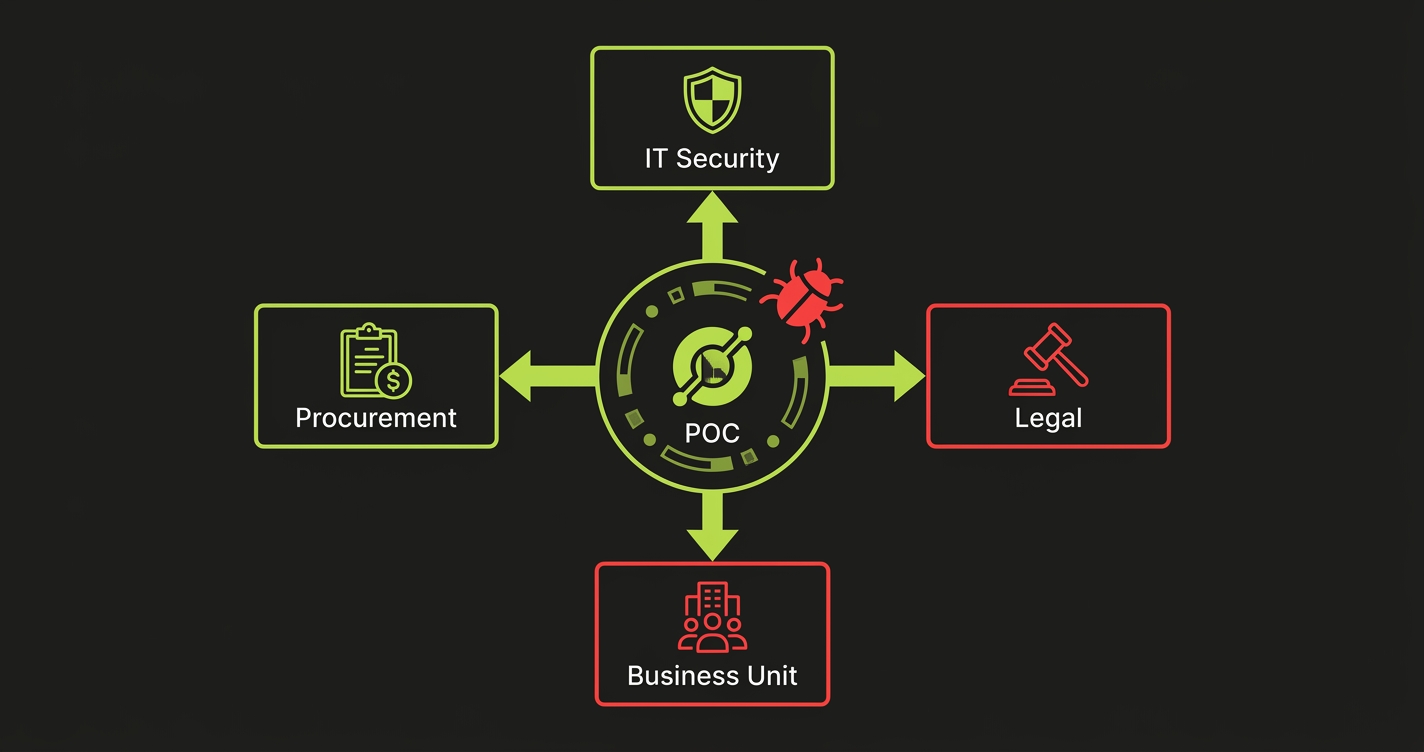
Why Fast Shipping Creates a Specific Bug Pattern for 500 Global Companies
The 500 Global program actively encourages aggressive user acquisition and distribution experimentation. "Distribution hacks" are celebrated. The culture rewards founders who try unconventional growth tactics, ship fast, and iterate based on user behavior.
That culture is an asset for growth. It is a liability for pilot stability.
Here is the failure mode that plays out consistently for 500 Global companies in months three and four of the batch. You have two pilots running. You are shipping a new growth feature that your best distribution channel requires. You ship on a Thursday. On Friday, one of your pilots logs in and finds that the dashboard they check every morning is showing stale data. The data pipeline is still running but the display layer broke in the Thursday deploy.
They send you a message. You fix it over the weekend. But they missed a Friday data review that they were going to use to justify expanding the pilot to two additional seats. That expansion conversation, which would have added $400/month to your MRR this month, now happens next month. Next month is the month before Demo Day. You miss the MRR addition in your month-three numbers.
A single bug costs you a week of deal cycle time. In a four-month program, one week is 6% of your runway to Demo Day. Multiple bugs across multiple pilots flatten the growth curve that your pitch depends on.
The "Protect the Deal" Framework for Growth-Focused Companies
The 500 Global version of the protect-the-deal framework has a growth lens: protect not just the active session, but the expansion signals that come from successful sessions.
For most B2B products, the pilot expansion signal comes from the customer getting a successful session, sharing the output with their team, and then asking for additional seats or a broader rollout. That moment, from successful session to expansion ask, is the growth event. It is what moves your MRR up month over month.
The bug pattern that most damages 500 Global companies is not the bug that kills a pilot outright. It is the bug that occurs right before an expansion signal was going to happen. The customer was going to share the report with their team on Thursday. The report export broke on Wednesday night. The team share does not happen. The expansion conversation is delayed by two weeks while trust is rebuilt.
The protection framework: for each active pilot, identify not just the primary workflow but the specific output or export that drives expansion. The moment the customer shares your product's output with someone who was not in the initial pilot. That moment is the growth event. Cover it with an automated assertion: the output generates, the export succeeds, the share link works.
What to Automate: The Three Moments That Cannot Break
For a 500 Global company running pilots in months two and three of the batch, three moments are non-negotiable.
Authentication. The pilot customer cannot use the product if they cannot log in. For 500 Global companies with users in Southeast Asia, MENA, or other regions with specific auth requirements (mobile-first auth patterns, local SSO, specific phone number auth flows), this is particularly important. An auth regression that affects a specific regional login method can take days to diagnose if you don't have automated coverage catching it at deploy time.
Core workflow completion. The action that demonstrates value. Whatever your pilot customer is evaluating your product's ability to do: that action must complete and produce output. Test it end-to-end before every deployment.
Expansion moment. The specific action that drives seat expansion or broader rollout. For data products, this is often the export or share functionality. For workflow products, it is the team collaboration feature or the approval workflow. For AI products, it is the output that gets shared upstream to a decision-maker. Test the exact action that creates your expansion signal.
// 500 Global Demo Day protection suite
// Focus: cover the growth events, not just the core flow

// Auth coverage (run for every login method your pilots use)
test('auth: primary login flow', async ({ page }) => {
  await page.goto('/login')
  await page.fill('[data-testid="email"]', process.env.PILOT_EMAIL!)
  await page.fill('[data-testid="password"]', process.env.PILOT_PASSWORD!)
  await page.click('[data-testid="login-btn"]')
  await expect(page).toHaveURL('/dashboard')
})

// Core workflow: must produce output
test('core action: workflow runs and output is generated', async ({ page }) => {
  await page.goto('/login')
  await page.fill('[data-testid="email"]', process.env.PILOT_EMAIL!)
  await page.fill('[data-testid="password"]', process.env.PILOT_PASSWORD!)
  await page.click('[data-testid="login-btn"]')
  await page.waitForURL('/dashboard')

  await page.click('[data-testid="run-workflow"]')
  await page.waitForSelector('[data-testid="output-panel"]', { timeout: 60000 })

  const outputText = await page.locator('[data-testid="output-panel"]').textContent()
  expect(outputText).toBeTruthy()
  expect(outputText!.trim().length).toBeGreaterThan(0)
})

// GROWTH EVENT: export/share must work. This is what drives seat expansion
test('expansion event: output export succeeds', async ({ page, request }) => {
  // Log in
  await page.goto('/login')
  await page.fill('[data-testid="email"]', process.env.PILOT_EMAIL!)
  await page.fill('[data-testid="password"]', process.env.PILOT_PASSWORD!)
  await page.click('[data-testid="login-btn"]')
  await page.waitForURL('/dashboard')

  // Run workflow
  await page.click('[data-testid="run-workflow"]')
  await page.waitForSelector('[data-testid="output-panel"]', { timeout: 60000 })

  // Export: this is the growth event. Customer shares with team
  const [download] = await Promise.all([
    page.waitForEvent('download'),
    page.click('[data-testid="export-btn"]')
  ])

  expect(download.suggestedFilename()).toMatch(/\.(csv|pdf|xlsx)$/)

  // OR: share link generation
  await page.click('[data-testid="share-btn"]')
  const shareLink = await page.locator('[data-testid="share-url"]').inputValue()
  expect(shareLink).toMatch(/^https:\/\//)

  // Verify share link resolves
  const shareRes = await request.get(shareLink)
  expect(shareRes.status()).toBe(200)
})

// MRR protection: ensure billing/subscription state is intact after deploy
test('subscription: active plan status persists', async ({ request }) => {
  const res = await request.get('/api/billing/status', {
    headers: { 'Authorization': `Bearer ${process.env.PILOT_API_TOKEN}` }
  })
  const billing = await res.json()

  expect(res.status()).toBe(200)
  expect(billing.status).toBe('active')
  expect(billing.plan).not.toBeNull()
})
This suite runs before every deployment. The expansion event test, the export or share flow, is the one most founders skip because it feels secondary. It is not secondary. It is the thing that generates the expansion MRR that your Demo Day growth chart depends on.
How Autonoma Protects Your Growth Curve
Your MoM retention chart is your investor narrative at 500 Global. One pilot that churns because of a bug makes the line dip. The month before Demo Day is the month of highest shipping velocity, which means highest bug risk. A dip at that moment is the thing investors will ask about on stage.
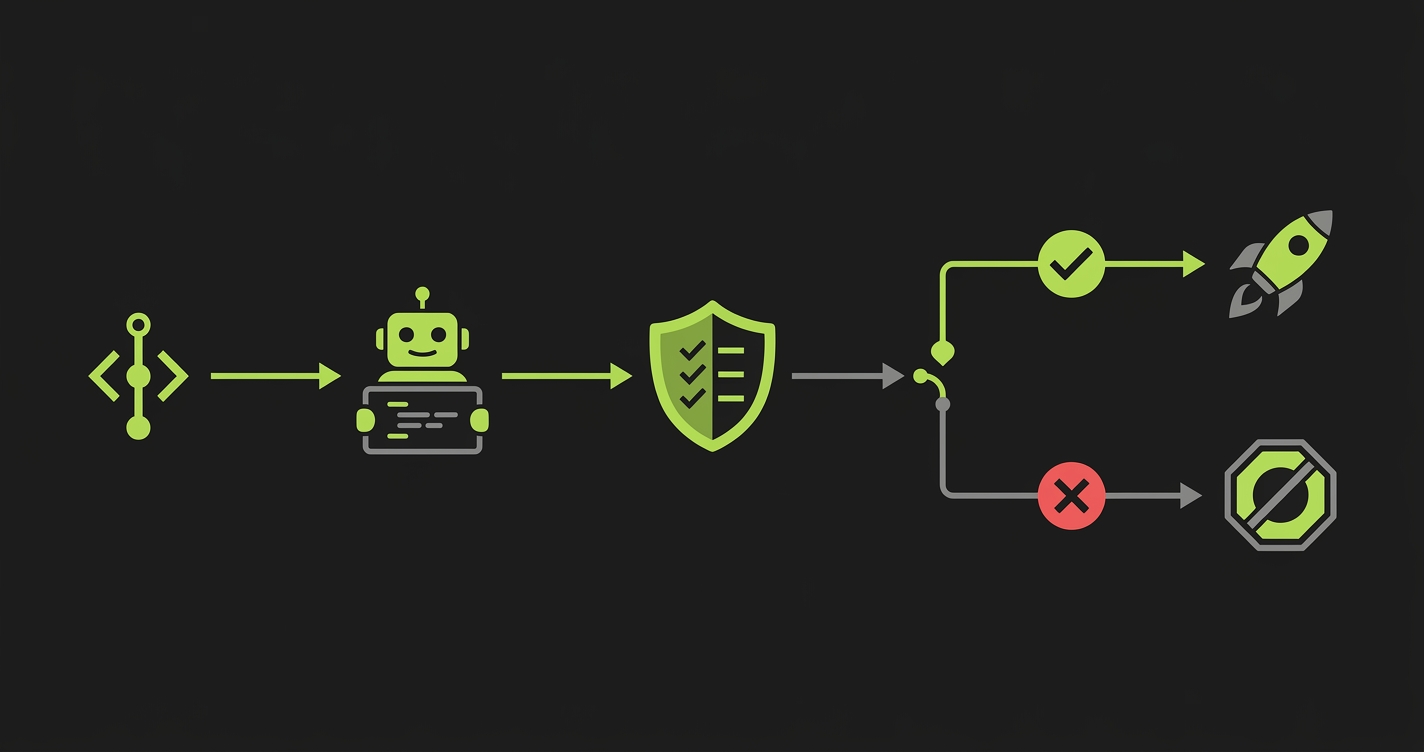
Autonoma auto-generates E2E tests from your actual codebase, so your team keeps shipping without stopping to write test code. There is no test suite to build, and no maintenance burden when the codebase changes during a sprint.
Every deploy is checked in CI before it reaches production. Regressions are caught before they affect active pilots, the ones still in evaluation, still approaching the expansion conversation that will add to your MRR this month.
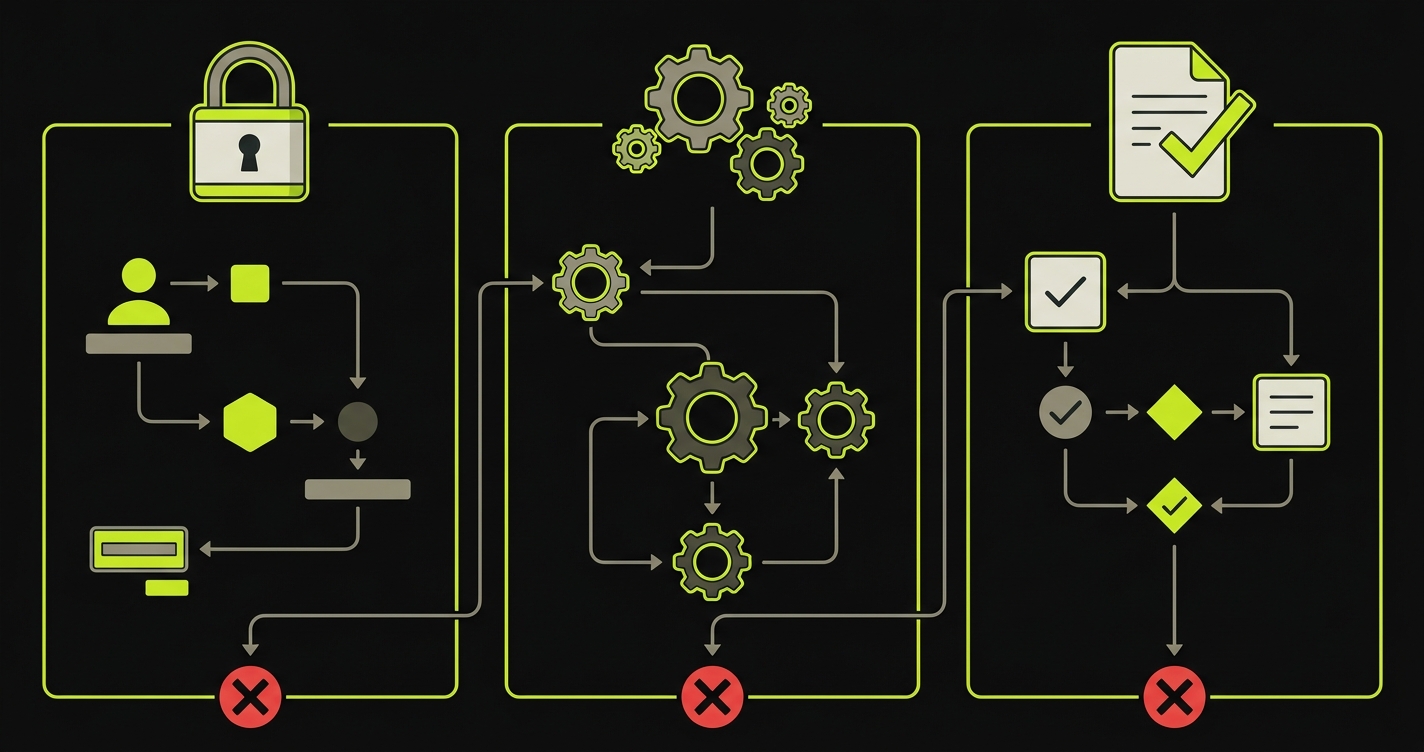
Autonoma covers the three paths that generate the usage metrics investors see: auth (so every pilot can log in), core action (so the workflow that demonstrates value always completes), and expansion flows (so the export or share event that drives seat growth actually works). These are the paths that produce your chart.
The result is a growth curve that goes up cleanly into Demo Day, not a line with a dip in month three that you have to explain away.
The 48-72 Hour Stability Window for Growth Companies
The stability window concept matters more for 500 Global companies than for most accelerators because the growth culture encourages constant shipping. The "always be shipping" instinct is correct for distribution experimentation. It is wrong for the 48-72 hours after you onboard a new pilot.
A pilot customer's first two to three sessions determine whether they become a reference, a churned trial, or an expanding account. If those sessions go cleanly, they tend to expand. If something breaks during those sessions, you spend energy on relationship repair instead of expansion. That energy expenditure shows up in your numbers.
The operational practice: tag pilot customers when they're in their first-session window. In your deployment workflow, before merging a release, check whether any pilot customer is in their first-session window. If yes, hold the release until the window closes or until you have confirmed it does not touch their critical path. This is a two-minute check that prevents the most common source of early-pilot churn.
Investor Diligence at 500 Global: What They Actually Check
500 Global investors at Demo Day are reading the growth chart, but good investors also do a fast qualitative check on the most recent customers. They want to know: is the growth real? Are these customers actually using the product, or did you sign them and then they went quiet?
The reference call questions map directly to your pilot quality:
| Investor question | What they're actually checking | How pilot bugs affect the answer |
|---|---|---|
| "How has the product worked in practice?" | Is the core workflow reliable? | Any workflow failures surface here |
| "Were there any rough patches?" | Did incidents happen and how were they handled? | Determines whether the reference is positive or qualified |
| "Are you planning to expand the relationship?" | Is the pilot converting to a paid contract? | Stalled pilots from bugs delay or prevent expansion |
| "Would you recommend this to peers?" | Net Promoter Signal for investor diligence | Single incident in wrong context drops NPS to neutral |
That check often involves a quick email or call to one or two customers from the most recent month. Those customers are your most recent pilots. They are the ones who started two to six weeks before Demo Day, during your period of highest shipping velocity. They are the pilots that are most likely to have had a product incident.
If an investor calls a reference and hears "we've been happy overall but there were a few rough patches last month," the investor discounts the growth number. A 20% MoM growth number with a reference saying "rough patches" is valued differently than a 20% MoM growth number with a reference saying "it's been solid, we're planning to expand."
The quality of your pilot experience in the 30 days before Demo Day determines how your reference customers talk about you to investors. Your automated critical path coverage is what determines whether those pilots had incidents.
Getting Started This Week
If Demo Day is in the next two months and you have pilots running, here is what to do this week.
List your active pilots. For each one, identify three things: the auth path they use, the core action they run, and the specific output or export they share with their team. Write one test covering the full path from auth to expansion event. Run it in CI before merges to main.
Also do this: check your last 30 days of deployments and identify any that touched the code paths your pilots use. If you find one where you deployed without running a check on those paths, you now know your risk surface. Going forward, those paths get a gate.
The growth curve that 500 Global investors read at Demo Day is built from 120 days of customer outcomes. The last 30 days of that curve carry disproportionate weight because they are the freshest signal. Protecting the pilots that generate those data points is how you show up to Demo Day with a line that goes up and to the right, all the way to the end.
Frequently Asked Questions
The 500 Global timeline gives you roughly four months, with the serious pilot window in months two and three. To show meaningful MoM growth at Demo Day, pilots that started in month two need to convert and ideally expand before the end of month three. That requires pilots that run cleanly with no mid-evaluation incidents that delay the close. The operational practice is automated coverage of the specific flows your pilot customers walk, so that the features you're shipping in month three to win new customers don't break the pilots you're running from month two. Clean pilots close fast. Pilots with incidents close slow, and slow closings miss Demo Day.
500 Global investors read MoM growth curves at Demo Day. A bug that causes a pilot customer to churn or delay expansion does not just cost the individual deal: it creates a visible dip or plateau in the growth chart for the month it happened. The month before Demo Day is also the month of highest shipping velocity, which is the month of highest bug risk. Protecting pilots during that period protects the growth line that the entire investor presentation depends on. It is a fundraising problem, not just a product quality problem.
The expansion event is the specific action that drives a pilot customer to add seats or expand the relationship: usually a report export, a share link, a team invite, or an output they send upstream to a decision-maker. For 500 Global companies where MoM revenue growth is the primary investor metric, the expansion event is what generates the growth. A bug in the export or share functionality prevents the expansion conversation from happening, costing you a week or two of deal cycle time. Testing the expansion event before every deployment is how you protect the growth events that build your chart.
In a batch of 30-50 companies, investors at Demo Day are implicitly comparing traction curves across companies. They notice which companies have clean month-over-month growth lines and which have plateaus or dips. A company with 15% MoM growth that is clean and accelerating reads differently than a company with 20% MoM growth that dipped in month three and then recovered. The dip has a story, and investors will ask about it. Protecting pilots from bugs protects the cleanliness of your growth curve, not just the absolute numbers.
The key is separating distribution experiments from pilot path changes. Distribution experiments (landing page variants, acquisition flows, referral mechanics) can ship at full speed because they don't affect the paths existing pilot customers walk. Product changes that touch auth, core workflows, or output generation require a gate: automated tests on those paths must pass before the change reaches production. Run distribution experiments freely. Gate product changes that touch your pilots' critical paths. The gate is not slowing down your shipping; it is routing risk to the right place.
Investors calling 500 Global references are validating whether the growth is real. They want to hear that the customer is actively using the product, plans to expand or renew, and found the onboarding experience solid. The questions that reveal product quality are indirect: 'How has the product worked for your team in practice?' and 'Were there any rough patches?' A reference customer who says 'smooth overall, we're planning to expand' is a strong diligence signal. A reference who mentions rough patches shifts the investor's read on the quality of the traction. Your pilot experience in the 30 days before Demo Day is what generates those reference conversations.


