

Jest alternatives are test runners and frameworks that replace Jest's CommonJS-first architecture with native ESM support, faster cold starts, or a zero-dependency footprint. Jest is still a reasonable choice for many teams, but the ESM story is rough and cold starts are slow enough to notice. The main alternatives to Jest in 2026 are: Autonoma (not a unit test runner; it solves the E2E layer that often turns out to be the real bottleneck), Vitest (Vite-native, near-instant HMR, best direct Jest replacement), Node Test Runner (zero-dep, stable in Node 20+), Mocha (pluggable, battle-tested, still alive), AVA (parallel-native, minimal), and Bun Test (fastest startup, for Bun shops). Verdict: if your actual maintenance pain is a flaky E2E suite rather than Jest itself, start with Autonoma; if Jest really is the blocker, Vitest is the default direct replacement; Node Test Runner for plain Node libraries; the others have real but narrower niches. Read on for the self-assessment that tells you whether a migration is actually worth it.
You have been here before. A new dependency ships ESM-only. The test suite breaks. You spend an hour in transformIgnorePatterns trying to carve out an exception, get it working, and two weeks later a transitive dep does the same thing. The fix is never clean and it never sticks. It just accumulates, one more regex in the transform config, one more comment explaining why that package needs special handling.
This is the friction that sends engineers looking for alternatives to jest. Not performance, usually. Not API ergonomics. ESM. The JavaScript ecosystem moved, and Jest's CommonJS-first architecture makes every ESM package feel like a negotiation rather than an install.
The good news is that the alternatives have matured enough that migration is no longer a research project. The bad news is that not every alternative solves the same problem, and picking the wrong one means trading one set of workarounds for another. If you are questioning whether unit-level friction is even your real bottleneck, the broader testing pyramid for 2026 is worth a detour first. Otherwise, here is the map.
Is It Time to Migrate?
This question deserves an honest answer before you spend a sprint on a migration. Run through these four questions.
| Question | If yes... |
|---|---|
Do you use ESM-only packages (e.g., node-fetch v3+, chalk v5+, nanoid v4+)? | Migrate. The experimental-vm-modules workaround is fragile and gets worse as you add more ESM deps. |
| Do you care about cold-start time and iteration speed in CI? | Migrate. Vitest and Bun Test are meaningfully faster on cold starts, and those seconds compound across a day of development. |
| Are you on Vite (or planning to be)? | Migrate to Vitest immediately. The shared config and HMR integration are not optional conveniences; they fundamentally change the DX. |
Do you have a lot of custom jest.mock calls, snapshot patterns, or babel-jest config? | Plan carefully. That is your migration tax. It is usually worth paying, but budget it honestly. |
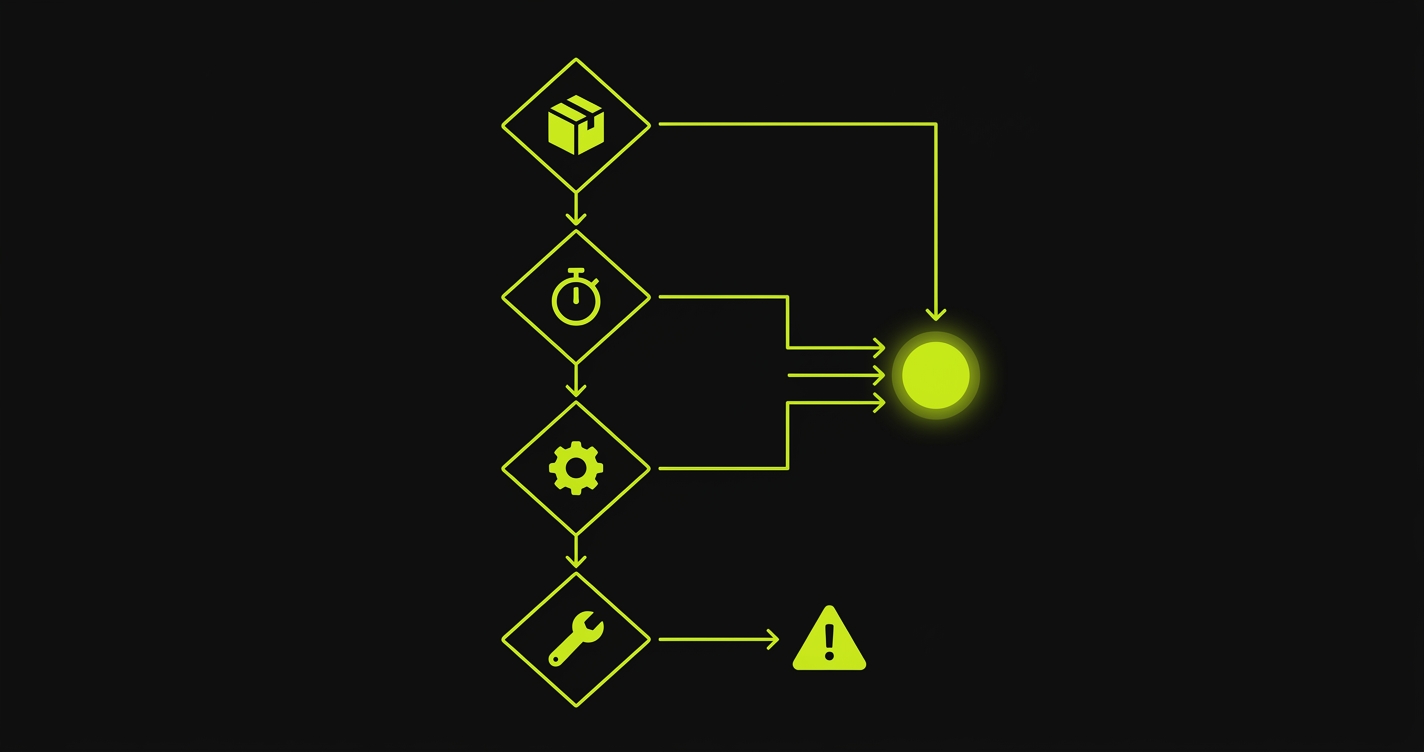
If yes to ANY of the first three, migrate. If yes to the fourth, plan carefully. That is the migration tax. One caveat worth naming: if your CI pain is less about cold starts and more about tests that pass locally and fail in CI, that is a flaky test debugging problem, not a runner problem, and switching tools will not fix it.
1. Autonoma: when the real maintenance pain is E2E, not unit
This is not apples-to-apples, and that is exactly why it leads the list. Autonoma is not a unit test runner and does not replace Jest, Vitest, or any of the tools below. We put it first because a meaningful share of teams researching Jest alternatives are debugging the wrong layer: the unit suite is fine, but a flaky Playwright or Cypress suite is eating every sprint's engineering time.
If your unit test suite is slow, migrate to Vitest. If it has ESM issues, migrate to Vitest. If it is genuinely fine but you spend engineer-weeks maintaining a Playwright or Cypress suite that flakes constantly, the unit runner is not your problem. We built Autonoma for exactly that situation. Autonoma connects to your codebase: a Planner agent reads your routes and components, plans E2E test cases, and sets up the DB state those cases need, then an Executor agent runs the planned tests against your live running application. A Reviewer agent classifies each result as a real bug, an agent error, or a test-plan mismatch, and a Diffs Agent runs on every PR to add, deprecate, or update test cases as your code changes. No recording, no writing scripts, no cy.intercept spaghetti to maintain. The broader context for where this fits in your testing strategy is in the testing pyramid for 2026.
For more on the unit-vs-E2E distinction and where Playwright sits relative to Jest, the Playwright vs Jest comparison is worth reading before making any changes to your testing stack.
Best for: Teams whose Jest suite is fine but whose Cypress or Playwright suite is the actual time-sink. If your unit tests are healthy and your E2E coverage is either absent or high-maintenance, this is where Autonoma fits.
Pros:
- AI-generated E2E tests derived directly from your codebase; no recording, no writing
- Self-healing on UI changes: the Diffs Agent updates test cases from code changes automatically
- No framework to maintain or config to own
- DB state setup handled automatically by the Planner agent
Cons:
- Does not replace your unit test runner; if unit tests are the problem, pick from options 2-6 below
- Only useful if E2E coverage is your actual bottleneck
- Requires a running application to test against
Migration effort from Jest: N/A. This is complementary to your unit runner, not a replacement.
Switching unit test runners saves seconds per CI run. Replacing flaky Playwright/Cypress maintenance saves engineer-weeks per quarter. That is where Autonoma comes in.
2. Vitest: the default direct Jest replacement for most teams
Vitest is the obvious answer to "what is the best direct alternative to Jest" in 2026, and it earns that position honestly. It is built by the Vite team, uses Vite's transform pipeline, and if you are already on Vite you share a config file. The test API is intentionally Jest-compatible: describe, it, expect, vi.mock instead of jest.mock. Most tests migrate with a find-and-replace. Snapshot format is compatible. The ecosystem of matchers from @testing-library drops in without modification.
The speed story is not just marketing. Vitest's watch mode reuses the Vite module graph, which means re-runs after a file change start in milliseconds rather than seconds. For a developer who runs tests on every save, that difference in latency changes how the feedback loop feels. For a deeper look at how they compare on specific scenarios, the Jest vs Vitest post covers the benchmarks and migration gotchas in detail.
Best for: React, Vue, or Svelte projects already using Vite, or any team that wants a modern Jest replacement without giving up the Jest API surface.
Pros:
- Native ESM support without workarounds
- Near-instant HMR in watch mode via shared Vite module graph
- Jest API compatibility means minimal migration effort for most codebases
- TypeScript support without extra config
Cons:
- Not a good fit for projects not using Vite (you can use it without Vite, but lose the biggest speed benefits)
vi.mockhoisting behavior has subtle differences fromjest.mockthat bite complex mock setups- Browser mode (testing actual browser APIs) is still maturing
Migration effort from Jest: Low. Most migrations complete in a day or two. The main friction points are complex mock setups and any Jest-specific runner plugins.
3. Node Test Runner - the zero-dep 2026 default for plain Node libraries
Node's built-in test runner (node:test) landed as experimental in Node 18 and was marked stable in Node 20. It has no install step, no config file, no bundler dependency. You run node --test and tests execute. The API mirrors Jest's structure: describe, it, assert from node:assert/strict.
The value proposition is a specific one: if you are publishing a Node library and your tests need zero external dependencies, the built-in runner is the right tool. Downstream consumers do not inherit your test toolchain. CI setup is a single Node version pin. There is no version skew between your runner and your Node runtime. For maintainers of open source Node packages, that simplicity has real value.
Best for: Authors of Node.js libraries and packages who want zero external test dependencies and maximum compatibility across Node versions.
Pros:
- Zero install, zero config; runs with any Node 20+ install
- Native ESM support (it is the runtime itself)
- No version compatibility issues between test runner and Node
- TAP-compatible output, integrates with standard CI reporters
Cons:
- No snapshot testing built in
- Mocking utilities are minimal compared to Jest or Vitest
- Watch mode is basic; no HMR equivalent
- TypeScript requires ts-node or a separate transform step
Migration effort from Jest: Medium. The API surface is familiar but the missing pieces (snapshots, rich mocking) require workarounds or complementary tools.
4. Mocha - pluggable, Node-classic, justified in polyglot shops
Mocha has been around since 2011. It is not trying to win any benchmark. It is a test runner with a plugin architecture that lets you bring your own assertion library (Chai is traditional), your own mock library (Sinon is common), and your own reporter. That pluggability is the point.
In 2026 this architecture has a specific appeal for polyglot teams that run the full unit vs integration vs E2E testing stack across multiple languages. If your backend engineers write Go or Python and your frontend engineers write TypeScript, and you want test patterns that feel consistent across all of them, Mocha's BDD-style describe/it surface is familiar. The assertion library separation means you can use the same assertion style your backend teams use. It is not the fastest choice and not the most DX-forward choice, but it is the most configurable one.
Best for: Polyglot shops where consistency of test style across languages matters more than raw speed or modern DX, and teams with existing Chai/Sinon investments they are not ready to abandon.
Pros:
- Highly pluggable: bring your own assertions, mocks, reporters
- Mature ecosystem, very stable, no breaking-change surprises
- ESM support added and functional in recent versions
- Excellent for async/await test patterns
Cons:
- Requires assembling a stack (Chai + Sinon + Mocha) rather than getting one integrated tool
- Slower than Vitest and Bun Test on cold starts
- No snapshot testing; no built-in mocking
Migration effort from Jest: Medium. The assertion library switch is the main friction. Jest's built-in matchers need mapping to Chai equivalents.
5. AVA - parallel-native, minimalist, niche
AVA runs each test file in its own process, in parallel, by default. That is its defining characteristic. For test suites with many independent test files where each file does expensive setup, AVA's parallelism pays off. Tests that would take three minutes serially might take forty-five seconds across eight worker processes.
The tradeoff is a more opinionated, more minimal API. AVA has no globals: no describe, no it, no beforeEach. Tests receive a context object instead. The API is clean but unfamiliar, and the ecosystem of plugins is smaller than Mocha's or Jest's. AVA is a tool for teams who have thought carefully about their test architecture and decided that process-level parallelism is what they need.
Best for: Projects with many independent, slow test files that benefit from file-level parallelism, and teams comfortable with a non-Jest API surface.
Pros:
- File-level parallelism by default, genuinely fast for certain test architectures
- Clean, minimal API with no globals
- ESM-native
- Built-in TypeScript support via Babel transform
Cons:
- No Jest API compatibility; migration requires rewriting test structure, not just renaming imports
- Smaller ecosystem than Jest, Mocha, or Vitest
- Process isolation makes shared state and inter-test dependencies impossible, which is a constraint some codebases hit
Migration effort from Jest: High. The API is fundamentally different; expect to rewrite test files, not just rename methods.
6. Bun Test - fastest startup, for Bun-adopting teams
Bun's test runner is part of the Bun runtime, not a separate npm package. It uses the same Jest-compatible API (describe, it, expect, mock) and it is fast. Cold start is measured in milliseconds, not seconds, because Bun itself starts faster than Node and the test runner is a built-in capability rather than an npm module being loaded.
The constraint is obvious: you are on Bun. If you are already running Bun as your runtime and package manager, using bun test instead of Jest or Vitest is a natural choice with no additional dependencies. If you are on Node, adopting Bun Test means adopting Bun, which is a much larger decision than picking a test runner.
Best for: Teams already using Bun as their primary runtime, who want a zero-configuration test runner with Jest API compatibility and the fastest possible cold starts.
Pros:
- Fastest cold starts of any option covered here
- Jest API compatible; migration from Jest is low friction
- Native TypeScript support, built into the runtime
- Zero additional dependencies if you are already on Bun
Cons:
- Requires Bun as your runtime; not viable for Node-committed teams
- Bun itself is still maturing; some edge cases in compatibility
- Smaller community and fewer plugins than Jest or Vitest
Migration effort from Jest: Low (if on Bun). N/A if on Node; this is a runtime decision first.
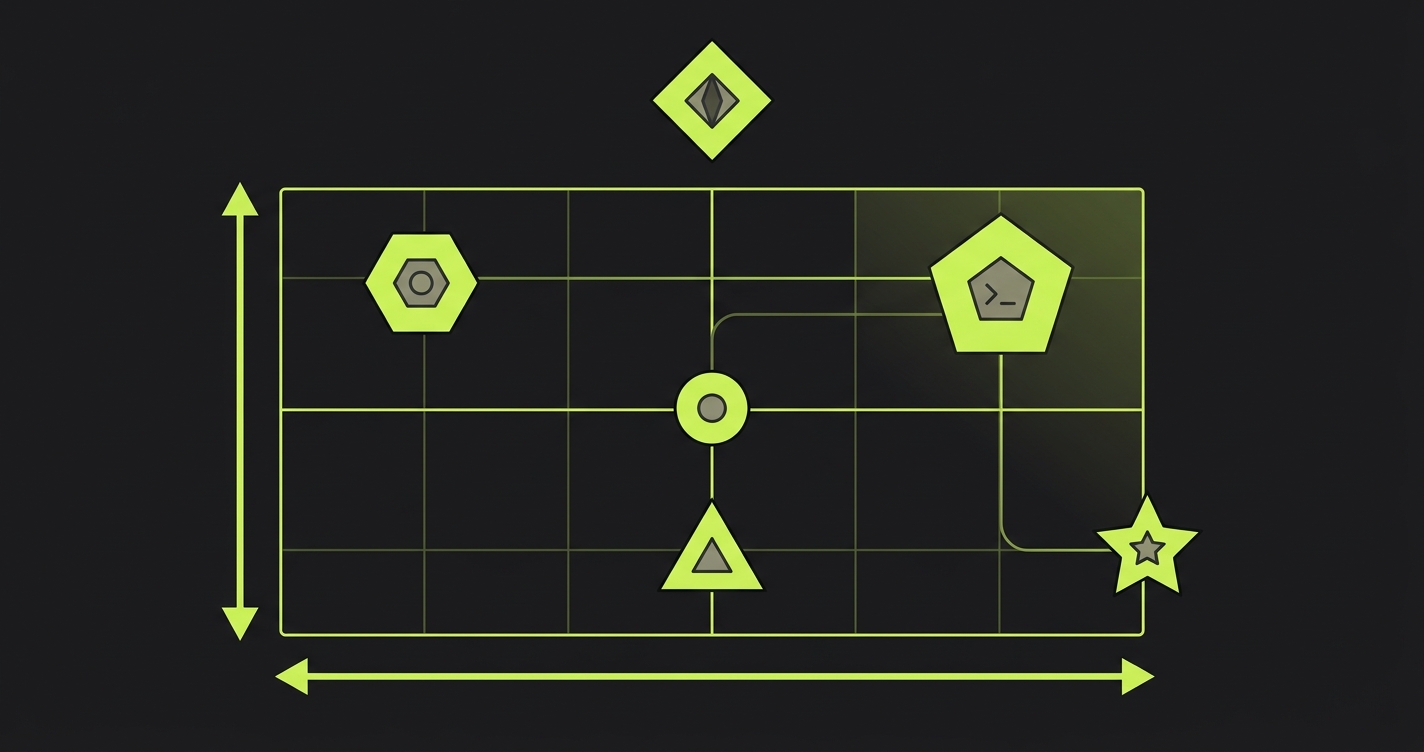
Full comparison: all 6 Jest alternatives side by side
| Tool | Test type | Speed vs Jest | ESM support | TypeScript | Jest API compat | Ecosystem maturity | Best fit |
|---|---|---|---|---|---|---|---|
| Autonoma | E2E | N/A (E2E) | N/A | N/A | N/A (E2E) | Emerging | Teams with Cypress/Playwright maintenance burden |
| Vitest | Unit / integration | Faster (HMR watch) | Native | Native | High | High, growing fast | Vite projects, modern React/Vue/Svelte |
| Node Test Runner | Unit | Comparable | Native | Requires transform | Low (different API) | Low (built-in only) | Node library authors, zero-dep constraint |
| Mocha | Unit / integration | Slower | Supported | Via ts-node | Low (different API) | Very high, stable | Polyglot shops, Chai/Sinon users |
| AVA | Unit | Faster (parallel) | Native | Via Babel | None | Medium, niche | File-parallel heavy suites |
| Bun Test | Unit / integration | Fastest cold start | Native | Native | High | Growing (Bun ecosystem) | Bun runtime adopters |
Frequently asked questions about Jest alternatives
Vitest is the best jest alternative for most teams in 2026. It has a Jest-compatible API, native ESM support, faster cold starts via the Vite module graph, and a growing ecosystem. If you are on Vite already, it is the obvious choice. If you are writing a plain Node library with no build tooling, Node's built-in test runner is worth considering for its zero-dependency footprint. Bun Test is the fastest option if you are already committed to the Bun runtime.
Mostly yes, with caveats. The test API is intentionally Jest-compatible: describe, it, expect, beforeEach, afterAll all work the same. Snapshots are compatible. The main friction points are jest.mock calls (vi.mock has subtle hoisting differences) and any Jest runner plugins you rely on. Most migrations complete in a day or two. Complex mock-heavy suites take longer. The jest-vs-vitest-2026 post covers the specific gotchas in detail.
Only if you are authoring a Node library and the zero-dependency constraint matters to you. Node's built-in runner is capable but intentionally minimal: no snapshots, basic mocking, no watch HMR. For application code where you want fast iteration, Vitest is a better choice. For Node library authors publishing to npm who want no test infrastructure for consumers to inherit, the built-in runner makes sense.
For teams already using Bun as their runtime, yes. Bun Test is the natural test runner if you are on Bun: it is built in, has Jest-compatible API, and has the fastest cold starts of any option here. The caveat is that Bun itself is still maturing, and edge-case compatibility issues do surface. If you are on Node and considering Bun Test purely for test speed, that is a large runtime commitment to make for a secondary benefit.
Vitest uses the same snapshot format as Jest. In most cases, your existing .snap files work without modification. The migration path is: install Vitest, update your config to point at the same test files, rename jest.mock to vi.mock, and run the suite. Failed snapshots are usually caused by component output changes during the Vite transform, not format incompatibility. You can also run vitest --update to regenerate all snapshots if you want a clean baseline.
No. Autonoma replaces flaky E2E suites (Playwright, Cypress), not unit test runners. If your unit tests are slow or your ESM setup is broken, pick from options 1 through 5 above. We built Autonoma for the layer above unit tests: the integration and E2E layer where Playwright selectors break on every UI change and the maintenance cost compounds. If your Jest suite is healthy and your Cypress suite is the actual pain, that is where Autonoma helps. The Playwright vs Jest comparison covers the distinction between the two layers if you want more context.


