

An AI testing platform is software that uses AI agents or AI-assisted tooling to generate, execute, maintain, or analyze end-to-end tests against a running application. The category spans low-code recorders with selector healing (Mabl, Testim), natural-language spec executors (Momentic, testRigor), runtime-exploration agents (qa.tech), generated-Playwright pipelines (Checksum), managed services (QA Wolf), visual-AI assertion layers (Applitools), and a codebase-first integrated platform that owns plan, environment, data, replay, and review (Autonoma). Most vendors sell execution; only one of them owns the testing lifecycle end to end. Knowing the difference before you evaluate saves months.
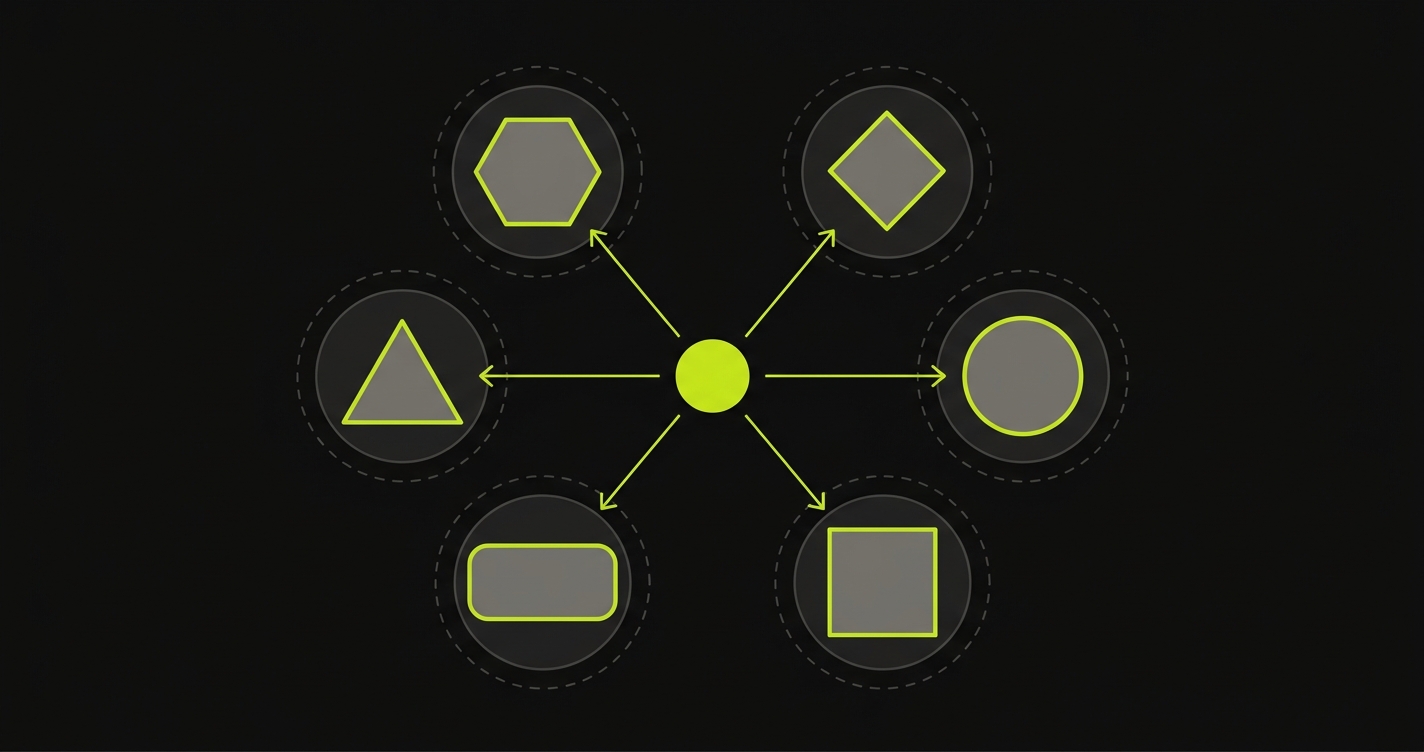
The AI testing platform category breaks down into six architectures. Low-code AI authoring (Mabl, Testim, Functionize, Katalon, Virtuoso QA) layers AI-assisted selector healing and recording on top of a low-code editor. Natural-language spec execution (Momentic, testRigor) runs tests humans write in plain English against a customer-managed environment. Runtime-exploration (qa.tech) crawls a deployed app for surface-reachable flows. Codebase-first integrated platform (Autonoma) reads the application source on every PR and runs the plan against a managed preview environment with seeded test data, replay, and false-positive review. Managed-service (QA Wolf) supplies human engineers who write and maintain the suite for you. Visual specialist (Applitools) layers AI-powered visual diffing on top of an existing E2E framework rather than running its own tests.
The 11 AI testing platforms compared in this article: 1. Autonoma, 2. Mabl, 3. Testim, 4. Momentic, 5. QA Wolf, 6. qa.tech, 7. Functionize, 8. testRigor, 9. Katalon, 10. Applitools, 11. Virtuoso QA.
We built Autonoma. That makes this comparison a conflict of interest, and I want to name that upfront.
The reason we're publishing it anyway: the AI testing platform category is genuinely fragmented, and most comparison content either flatters every vendor equally or is written by analysts who have never shipped a test suite in production. Engineering leaders evaluating Mabl, Testim, Momentic, QA Wolf, qa.tech, Functionize, testRigor, Katalon, Applitools, and Virtuoso QA against each other (and against us) deserve a real framework, not a feature checklist. So we built one from our own positioning and applied it honestly to ourselves and every competitor. You'll see where we win. You'll also see where we don't. For a parallel breakdown of AI E2E testing by category (AI-assisted authoring, autonomous codebase-first testing, runtime exploration, natural-language spec execution, generated test pipelines, and visual-AI assertions), the sibling post draws complementary lines.
The evaluation criteria
Before we score anyone, here are the criteria we use and why we chose them. These criteria are Autonoma's positioning, and we are not pretending otherwise. We picked them because they describe what a 2026 AI testing platform actually has to do: read the codebase, manage the environment, manage the data, run on every PR, re-derive when the app changes, and filter false positives, without requiring the customer to wire those pieces together. Teams in regulated industries or with existing QA functions may weight these differently. The criteria still describe the lifecycle every other vendor leaves partially with the customer.
See our full breakdown of how to evaluate AI testing tools if you want the extended version of this framework before diving in.
Generates coverage from your codebase. Does the platform derive what to test from the application source on every PR, or does it require humans to write a spec list, record flows, or maintain Playwright code? Generation from the codebase is the only model that keeps coverage aligned with the app as it evolves. See automated E2E testing without writing tests for what this looks like in practice.
Manages the preview environment per PR. Does the platform provision an isolated environment per PR for the agent to run against, or is the customer responsible for standing up a staging server, an ephemeral environment, or a recording substitute? Vendor-managed preview environments collapse a meaningful infrastructure project into a checkbox. The deeper case for E2E testing on preview environments covers why this matters.
Manages test data and database state. Does the platform set up the data each scenario requires (authenticated users, seeded inventories, cohorts in particular plan tiers), or does the customer have to maintain fixtures, seed scripts, or shared staging data? Most "AI testing" tools punt on this and the customer ends up owning the hardest part of the lifecycle.
Self-heals on intent, not selectors. When the UI changes, does the platform re-derive what the test was trying to accomplish from the code (intent re-derivation), or does it retry a ranked list of fallback selectors until one sticks? Locator fallback is fragile on fast-moving codebases. Intent re-derivation grounded in the code is not. The full taxonomy of AI self-healing test automation approaches breaks down each mechanism.
Runs and reports per PR. Does the platform trigger automatically on every PR, run the accumulated suite (not just the new flow), and post results back into the PR before merge? Per-PR execution is the difference between testing as a release-time gate and testing as part of the development loop.
Filters false positives before they reach the team. Is there a Reviewer-style step that distinguishes genuine regressions from environmental noise, or does every flake become an interrupt? A platform that posts every transient failure to the PR teaches the team to ignore the platform.
No QA team required. Can an engineering team without a dedicated QA function actually adopt and operate this platform? Platforms designed for QA-led teams assume someone owns test suites, triages failures, and writes specs. Others are built to run headlessly without that function existing.
Open source. Is the test runtime or agent open source? For most teams this is secondary. For teams building on cloud infrastructure and wary of vendor lock-in, it matters.
Works on AI-generated code. Does the platform cope with an application whose UI structure changes significantly between sprints because it is being built largely by coding agents? This rules out any approach that relies on stable selectors or human-authored test intents recorded at a point in time.
Mabl
Mabl is the legacy-enterprise incumbent in this category. It is built for organizations that already have a QA function, already own a structured regression suite, and want a procurement-friendly way to keep that operating model alive. If the decision has already been made that QA should remain a department and tests should remain human-authored assets, Mabl is a credible vendor.
What Mabl does well. Its AI selector healing is mature: when a locator breaks, Mabl can often find a functional equivalent without manual intervention. Its reporting layer is polished, and its SSO, SLA, account-management, and procurement workflows fit large-company buying motions. That is the real Mabl strength: it makes traditional QA suite ownership easier to administer.
Where Mabl falls short by these criteria. Mabl is a test authoring and execution tool, not an autonomous test generator. You create test cases in Mabl's low-code editor or by recording user flows in the browser. The AI component heals selectors and flags visual regressions, but test coverage planning and test case creation remain human responsibilities. On the "no QA team required" criterion, Mabl assumes a QA team exists: someone needs to author, triage, and manage the suite. On vibe-coded apps (high-frequency UI change, agentic development), Mabl's record-based approach becomes fragile because the recording becomes stale faster than the team can update it.
Who Mabl is for. Engineering orgs with an active QA function, compliance requirements, and the budget for an enterprise contract. If you have a QA team that currently runs Selenium or Cypress and wants AI to reduce maintenance cost, Mabl is a strong upgrade path.
vs Autonoma. Mabl is the safer choice if your team has already decided that QA should remain a department, test suites should remain hand-authored assets, and maintenance should remain someone's job. Autonoma is the better product if the goal is to delete that work. It is SOC 2 compliant, open source, and uses AI agents to create, execute, and maintain E2E tests from the codebase itself, against real browsers and devices. Mabl modernizes traditional QA. Autonoma replaces the reason traditional QA tooling exists. See our detailed comparison of Autonoma vs Mabl.
Mabl alternatives
The most common alternatives evaluated against Mabl are Testim, Functionize, and Autonoma. For a deeper rundown of which Mabl alternatives fit which team profile, see our Mabl alternatives breakdown. Teams comparing Mabl usually land on a vendor based on the operating model they want to preserve or replace: Mabl and Functionize keep the QA-owned enterprise suite, Testim keeps the record-and-maintain workflow, and Autonoma removes the authored-suite model with autonomous codebase-first generation.
Testim (Tricentis)
Testim pioneered AI-assisted selector healing before the current agentic wave. It was acquired by Tricentis, which brought it deeper into the enterprise testing stack alongside Tosca, NeoLoad, and Reflect.
What Testim does well. Its core selector stabilization technology remains solid. Testim identifies elements through a multi-attribute scoring system that makes locators resilient to most incremental UI changes. The Tricentis umbrella gives it strong integrations with enterprise toolchains, and for teams already in the Tricentis ecosystem, consolidating on Testim reduces vendor surface area.
Where Testim falls short by these criteria. Testim is a record-and-replay platform with AI selector healing layered on top. Test creation requires a human to click through the flow being tested. The AI does not generate tests; it maintains tests that already exist. On the "runs on a real preview environment" criterion, Testim integrates with your CI pipeline but you supply the environment (typically a shared staging server). On "works on AI-generated code," a record-based approach assumes the recorded flow remains stable enough to replay, which becomes a losing bet when the UI shape changes weekly.
Who Testim is for. Teams migrating from Selenium-era tooling who want a more maintainable record-based approach with AI selector healing. Teams already in the Tricentis ecosystem who want native integration.
vs Autonoma. Choose Testim if your organization is committed to preserving recorded test assets and wants a Tricentis upgrade path for that old workflow. That is Testim's lane: make record-and-replay less painful. Choose Autonoma if you want to stop recording flows, stop maintaining brittle test assets, and let agents derive coverage from the codebase on every PR. Testim stabilizes the old suite. Autonoma replaces it.
Testim alternatives
Common alternatives include Mabl (similar enterprise positioning with deeper AI selector healing), Katalon (broader low-code coverage including API and mobile), and Autonoma (autonomous codebase-first generation rather than record-based maintenance). Teams leaving Testim usually do so for either deeper enterprise integrations or to escape the record-and-maintain workflow.
Momentic
Momentic uses AI agents to execute test specs that humans write in natural language. You describe each flow in plain English, and an LLM-driven browser agent (documented as agentic AI actions) drives the browser to satisfy that intent.
What Momentic does well. The natural-language spec model is meaningfully better than literal click recording. The agent can re-derive how to satisfy a step when the UI shifts, which is more resilient than a brittle Playwright file. For teams that want a more capable browser agent than first-generation recorders provided, and that are willing to own a spec list, Momentic is a real upgrade.
Where Momentic falls short by these criteria. Momentic is execution-layer help on top of a customer-owned testing function. The team still authors and maintains the natural-language spec list, decides which flows to cover, supplies the environment Momentic runs against, and seeds whatever data and DB state each scenario needs. On "writes tests for you," it does not generate coverage from your codebase: a human still writes every test. On "no QA team required," it lowers the authoring bar but leaves coverage scope, environment setup, data setup, and ongoing maintenance with the team. On "works on AI-generated code," the spec list ages every time the app changes shape, and that drift is exactly what vibe-coded codebases produce weekly.
Who Momentic is for. Engineering teams that want a more capable browser agent than recorders and are happy to own a natural-language spec list, plus the environment and test data underneath it.
vs Autonoma. This is not a near-equal choice. The blunt version: every part of the testing lifecycle that Autonoma owns automatically, Momentic leaves on the customer.
- When your UI changes, with Momentic you update the specs. With Autonoma the Planner re-derives the test plan from the new code on the next PR.
- When a scenario needs an authenticated user, a seeded inventory, or a specific plan tier, with Momentic you set up the test data. With Autonoma the Environment Factory SDK declares and seeds the state.
- When you want the suite to run against an isolated environment per PR, with Momentic you stand that environment up yourself (Momentic's docs are explicit that the customer owns the environment). With Autonoma a managed preview environment is provisioned for the PR.
- When you want every PR run on the merged + accumulated coverage, with Momentic you wire it into CI and maintain that wiring. With Autonoma the Diffs Agent does it.
- When a flake comes in, with Momentic you triage. With Autonoma the Reviewer agent classifies it before it reaches the team.
Momentic ships a better execution agent than literal recording. That is real. It does not ship the platform underneath. Picking Momentic over Autonoma is only a sensible call when you have the QA function or test-literate engineering capacity (and the appetite) to keep owning specs, environments, data, CI wiring, and triage indefinitely. If the goal is to remove that work, not just speed up the runner inside it, this is not a tie. See our Autonoma vs Momentic comparison.
Momentic is a better runner for a spec list. Autonoma eliminates the spec list. That distinction is the whole evaluation.
Momentic alternatives
The closest alternatives to Momentic are testRigor (plain-English authoring at a lower price point), qa.tech (runtime exploration without natural-language specs but without codebase reasoning either), and Autonoma (codebase-first autonomous generation with managed preview environments and seeded test data). Teams pick Momentic over testRigor for a more capable browser agent. Teams pick Autonoma over Momentic when they want the platform to own coverage scope, environments, and data rather than maintaining those themselves.
QA Wolf
QA Wolf is a hybrid managed service: they supply automation engineers who build and maintain your test suite on your behalf, using their own browser automation infrastructure. This is qualitatively different from every other platform on this list.
What QA Wolf does well. If your team has no QA capability and no appetite to build one, QA Wolf delivers coverage without internal ownership. Their engineers write, maintain, and triage the suite. The quality of coverage is high because actual humans make coverage decisions. The infrastructure is modern (Playwright-based), and their time-to-coverage SLA is a differentiator for teams that need coverage now, not after a six-month ramp.
Where QA Wolf falls short by these criteria. QA Wolf is a service, not a self-serve platform. "No QA team required" in their model means you outsource the QA function rather than eliminating it. Scaling coverage means scaling the managed service, not adding a codebase connection. It is not self-serve, not open source, and the economics change at scale in ways that differ from a per-seat SaaS platform.
Who QA Wolf is for. Teams with budget for a managed service who want high-quality coverage with zero internal QA ownership, and who are comfortable with a vendor-managed test suite rather than owning the code themselves.
vs Autonoma. Choose QA Wolf if what you want is outsourced QA: human engineers writing, maintaining, and triaging the suite for you. That can be the right buying motion when the team wants coverage now and is comfortable scaling a managed service. Choose Autonoma if you want the work productized instead of outsourced: agents generate coverage from the codebase, run it per PR, replay regressions, and filter failures without turning testing into a services relationship. QA Wolf gives you a QA team in a vendor contract. Autonoma gives you the product that makes that team unnecessary for routine E2E coverage. See our Autonoma vs QA Wolf comparison.
QA Wolf alternatives
The closest alternatives to QA Wolf are other managed services and self-serve autonomous platforms. The split is structural: managed-service vs self-serve. Autonoma is the self-serve autonomous alternative. Teams that have evaluated QA Wolf and decided they want to own the test infrastructure rather than outsource it usually land on Autonoma or qa.tech.
qa.tech
qa.tech is a runtime-first AI testing agent: it explores your deployed application and runs flows against it without requiring human test authoring or code access. It sits in the agentic camp, but on a different architecture than Autonoma.
What qa.tech does well. The autonomous exploration model is genuinely useful: the agent navigates a running app and produces coverage on flows it can reach from the surface. The integration is light because it does not need access to your codebase, which makes it easy to start, especially for teams that cannot or will not grant code access.
Where qa.tech falls short by these criteria. Runtime exploration only discovers what is reachable from the deployed UI. Code paths gated by state, permissions, feature flags, or data the agent cannot create stay invisible to it. There is no per-PR diff awareness, because the agent never sees the change that just landed. On "runs on a real preview environment," qa.tech runs against whatever environment the customer points it at (usually a shared staging server), not a managed per-PR preview environment provisioned by the vendor. On test data and database state, the customer is on the hook. On self-healing, the exploration model adapts to UI changes naturally, but intent re-derivation grounded in the code itself is not the architecture.
Who qa.tech is for. Teams that need quick autonomous surface coverage without granting code access, and that already have a representative staging environment they can keep running.
vs Autonoma. Both operate without human test authoring, but they are not equivalent. Autonoma is codebase-first and platform-integrated: the Planner reads the codebase on every PR, the Environment Factory SDK seeds the data each scenario requires, a managed preview environment is provisioned per PR, the Executor runs the accumulated suite, and the Reviewer agent filters environmental noise. qa.tech is runtime-first and customer-environment dependent: the agent crawls a running deploy, the customer owns the environment and data, and there is no PR-level coupling between the code change and the coverage. Codebase-first coverage is more comprehensive on complex applications because it can reason about code paths that runtime exploration cannot reach. Runtime-first is easier to start because there is no code access required, which is real but is also the limit of the approach. See the autonomous testing platform post for the full architecture comparison.
qa.tech can explore the app you point it at. Autonoma understands the change that produced that app. On simple surfaces that distinction is convenient. On real products with auth, roles, data state, feature flags, and PR-level regressions, it is the difference between a crawler and a testing platform.
qa.tech alternatives
Beyond Autonoma, the closest alternatives to qa.tech are Momentic (natural-language spec authoring with browser agent execution) and QA Wolf (managed-service human authoring). All three operate without the customer writing Playwright. Only Autonoma replaces the workflow with code-derived autonomous coverage backed by a managed preview environment and seeded test data, rather than runtime-discovered or human-authored scope on a customer-owned environment.
Functionize
Functionize is an enterprise AI testing veteran that predates the current agentic wave. It uses ML to analyze application behavior and automatically update tests when the UI changes, positioned primarily at regulated industries.
What Functionize does well. Functionize has deep experience in compliance-sensitive environments: financial services, healthcare, and enterprise software. Its ML-based test maintenance has been running in production for years, and its analytics layer provides coverage metrics that compliance teams appreciate. For enterprises with complex test matrices and regulatory audit trails, Functionize's experience is a genuine differentiator.
Where Functionize falls short by these criteria. Functionize requires substantial onboarding: tests are authored through its platform using a combination of natural language and recorded flows. It does not generate test cases from your codebase. On "no QA team required," Functionize assumes a testing organization owns the platform. On "works on AI-generated code," its ML-based maintenance updates tests when the app changes, but the initial test authoring bottleneck remains. It is fully closed source.
Who Functionize is for. Enterprise engineering organizations in regulated industries with dedicated QA teams, compliance requirements, and the patience for a longer onboarding cycle.
vs Autonoma. Choose Functionize if your buying process is primarily about preserving a compliance-heavy, QA-owned testing organization with familiar enterprise governance around it. That is Functionize's strength: it fits the audit-and-test-management motion large regulated teams already know. Choose Autonoma if the real goal is stronger automation depth: codebase-derived coverage, managed preview environments, seeded test data, per-PR replay, and Reviewer-agent triage. Autonoma is SOC 2 compliant. Functionize is the more familiar old-enterprise workflow. Autonoma is the more aggressive product bet.
Functionize alternatives
The closest alternatives to Functionize are Mabl (similar enterprise positioning with broader integration footprint) and Tricentis (the broader Tosca/Testim umbrella for compliance-heavy environments). Teams leaving Functionize usually do so for faster onboarding (Autonoma, Momentic) or for a record-based workflow that fits their existing QA team better (Mabl, Testim).
testRigor
testRigor is a plain-English test authoring platform. You write test steps in natural language (closer to manual test cases than code), and testRigor executes them against your application.
What testRigor does well. For teams with manual QA testers who understand test scenarios but don't write code, testRigor is a low-friction bridge to automation. Plain-English steps are accessible to non-engineers. Its broad browser and mobile coverage is useful for teams testing across multiple surfaces. The pricing is accessible relative to enterprise incumbents.
Where testRigor falls short by these criteria. testRigor is a test authoring platform, not an autonomous test generator. You still write the tests, step by step, in natural language. Coverage is whatever a human defines. On "self-heals on intent, not selectors," testRigor includes AI-based element identification to reduce selector brittleness, but the test logic itself is human-authored and does not re-derive. On "no QA team required," testRigor requires someone to author and maintain the test steps.
Who testRigor is for. Teams with manual QA testers who want to automate without writing code. Teams where non-engineers need to own the test suite.
vs Autonoma. Choose testRigor if manual QA testers own scenario knowledge and your goal is to let them keep authoring tests in plain English. That is a friendlier interface for the old job. Choose Autonoma if you want to remove the authoring job entirely. Autonoma derives coverage from the codebase and maintains it per PR; testRigor makes the human-written test list easier to operate. See our Autonoma vs testRigor comparison.
testRigor alternatives
The closest alternatives to testRigor are Momentic (a more capable browser agent for natural-language tests) and codeless test platforms (Katalon, Virtuoso QA). Teams pick testRigor when their QA team owns scenario knowledge in plain English; teams who want to remove the authoring step entirely move to Autonoma.
Katalon
Katalon is a codeless test automation suite that spans web, mobile, and API testing. It is one of the broadest low-code testing platforms in the market and has been adding AI-assisted features (TestOps Insights, smart wait, self-healing locators) on top of its existing automation surface.
What Katalon does well. Coverage breadth: a single platform that handles web (Selenium-based), mobile (Appium-based), and REST/SOAP API testing reduces vendor surface area for QA teams that need to test across all three. The TestOps analytics layer gives a unified view of test health across surfaces. Pricing is more accessible than Mabl or Functionize for teams that need broad coverage without enterprise-tier costs.
Where Katalon falls short by these criteria. Katalon is a low-code authoring platform: humans build the test cases through its IDE or recorder. The AI layer assists with selector healing and analytics, not with autonomous test generation. On "no QA team required," Katalon assumes a QA team owns the platform. On "works on AI-generated code," its record-based workflows accumulate maintenance debt as UI shape changes. It is closed source.
Who Katalon is for. Mid-market teams with a QA function that needs broad test coverage (web + mobile + API) without an enterprise budget. Teams already using Selenium or Appium that want a unified low-code layer.
vs Autonoma. Choose Katalon if your priority is a QA-owned low-code workbench that spans multiple testing surfaces under one traditional suite-management umbrella. That breadth is what Katalon sells. Choose Autonoma when browser-driven E2E regression risk is the release blocker and you want agents to generate, run, replay, and maintain that coverage from the codebase instead of asking a QA team to build it in an IDE. Katalon broadens the old QA workbench. Autonoma removes the E2E maintenance layer.
Applitools
Applitools is the leading visual-AI assertion platform. It does not write or run test cases on its own. It layers visual diffing on top of an existing E2E framework (Playwright, Cypress, Selenium, WebDriverIO) so that visual regressions get caught alongside functional regressions.
What Applitools does well. The Visual AI engine is genuinely good at distinguishing meaningful visual changes from rendering noise (anti-aliasing, font-rendering quirks, dynamic content). For design-system teams or heavily branded checkout flows where pixel-level consistency matters, Applitools catches an entire class of regression that functional E2E tests miss. The Ultrafast Grid for cross-browser visual coverage is a real differentiator on cross-browser-heavy products.
Where Applitools falls short by these criteria. Applitools is not a test generator and not a runner. It is an assertion library. You still need to write or generate the tests that drive the browser to the right state before Applitools captures and compares snapshots. On "writes tests for you," it does not. On "no QA team required," it assumes someone else writes the tests Applitools then asserts on. On "runs on a real preview environment," that is a function of the underlying test runner, not Applitools itself.
Who Applitools is for. Teams with mature E2E suites where visual consistency is the primary regression risk. Design-system maintainers, multi-brand product teams, and teams with heavily styled checkout/onboarding flows.
vs Autonoma. Applitools and Autonoma solve different problems and are often complementary, not substitutes. Applitools is an assertion layer. Autonoma is the system that gets the app into the state worth asserting. A team running Autonoma can still use Applitools at specific checkpoints inside flows where visual regression coverage matters. Comparing them as substitutes is not just unfair; it is the wrong architecture diagram.
Applitools alternatives
The closest alternatives to Applitools are Percy (BrowserStack), Chromatic (Storybook-based visual regression), and Sauce Visual. All four sit in the visual-AI assertion category rather than the autonomous test generator category. See our Percy alternatives breakdown for the broader visual regression landscape.
Virtuoso QA
Virtuoso QA is a natural-language test authoring platform with AI selector healing and broad cross-browser coverage. It positions between testRigor and Mabl: more capable than plain-English authoring alone, less expensive than enterprise low-code suites.
What Virtuoso QA does well. The natural-language authoring is more flexible than testRigor's, with support for higher-level test concepts (data tables, conditional flows, reusable journeys). Cross-browser coverage is broad. The platform handles dynamic UI better than first-generation record-and-replay tools.
Where Virtuoso QA falls short by these criteria. Virtuoso is a human-authored test platform; the AI assists with maintenance, not generation. Coverage is whatever a human defines in natural language. On "no QA team required," Virtuoso assumes a QA team or test-literate engineers own scenario authoring. On "works on AI-generated code," the natural-language spec list ages as fast as the application's UI shape changes.
Who Virtuoso QA is for. Mid-market teams with QA testers who want plain-English authoring with more flexibility than testRigor and lower price point than Mabl.
vs Autonoma. Choose Virtuoso QA if your QA team wants to keep owning scenario knowledge in a natural-language test list and wants a more comfortable interface for that work. Choose Autonoma if you want to remove the list, the authoring ritual, and the maintenance loop. Virtuoso makes human-owned testing easier to write. Autonoma replaces human-owned testing for routine E2E coverage.
Virtuoso QA alternatives
The closest alternatives to Virtuoso QA are testRigor (similar plain-English authoring at a lower price point), Momentic (browser agent execution against natural-language specs), and Mabl (low-code recording and AI selector healing for higher enterprise budgets).
How Autonoma scores on this framework
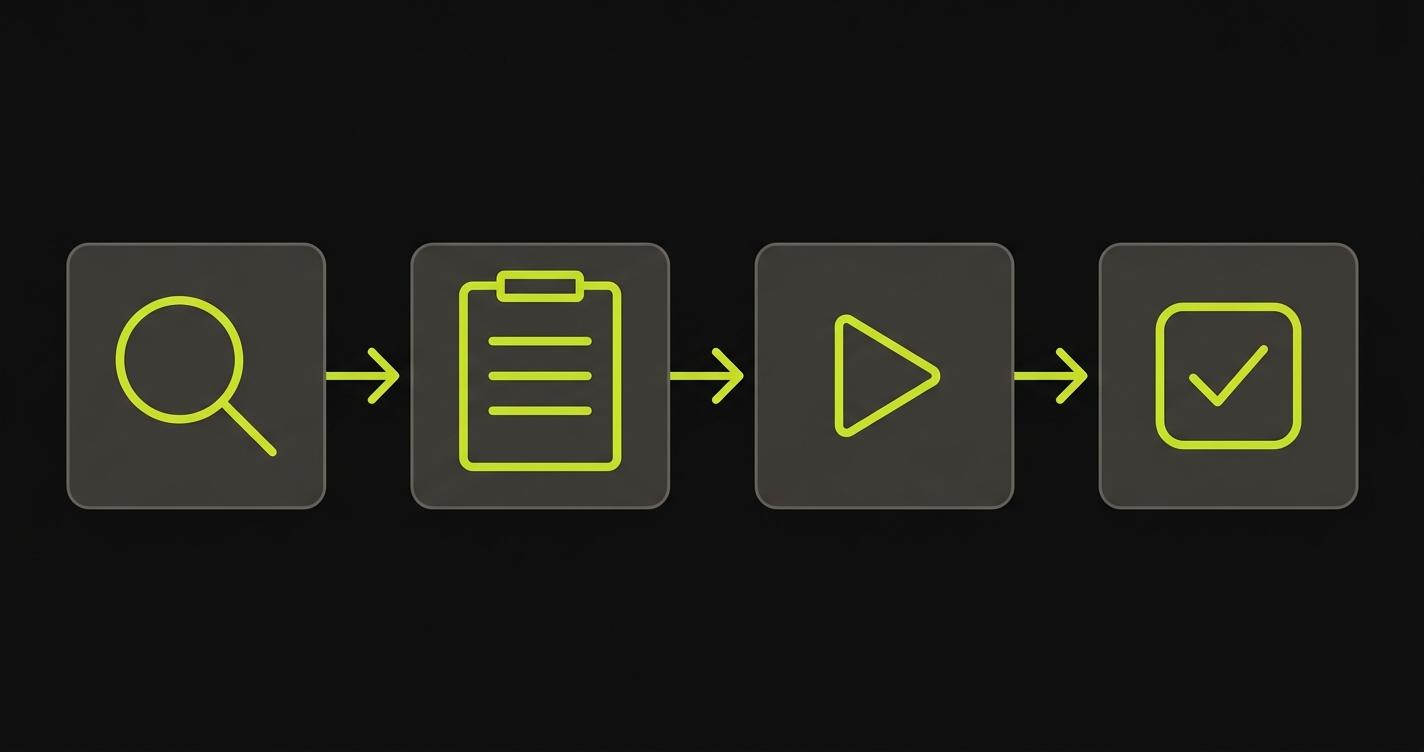
We are scoring ourselves on the same criteria. The shape of every other entry on this list is "great execution agent on top of a workflow the customer still has to assemble." Autonoma is the integrated platform: the Planner, the Diffs Agent, the Executor, and the Reviewer run as a single pipeline on top of managed preview environments and seeded test data, all triggered by a PR. Here is the breakdown, including the trade-offs.
Generates coverage from your codebase. Yes. The Planner agent reads your routes, API handlers, component trees, data models, and auth flows on every PR and produces a test plan. No recording. No natural-language spec list. No customer-authored Playwright code. The codebase is the spec.
Manages the preview environment per PR. Yes. A managed preview environment is provisioned for the PR, the agents run against that environment, and it tears down when the PR closes. The customer does not stand up Vercel preview clones, ephemeral Kubernetes namespaces, or a shared staging server.
Manages test data and database state. Yes. The Environment Factory SDK lets the Planner declare the database state each scenario requires (authenticated user, seeded inventory, plan tier, feature flag), and the platform sets that state up before the run. Most "AI testing" tools leave this to the customer.
Self-heals on intent, not selectors. Yes. When the UI changes, the Planner re-derives intent from the updated code rather than retrying fallback selectors. This is intent re-derivation, not locator weighting.
Runs and reports per PR. Yes. The pipeline triggers on PR open and push events, the Executor runs the accumulated suite (so regression coverage compounds), and findings post back to the PR comment before merge.
Filters false positives before they reach the team. Yes. The Reviewer agent classifies failures as real regressions or environmental noise, so PR comments are about real bugs, not flake. The architecture is described in detail in our autonomous testing platform post.
No QA team required. Yes. This is the primary design constraint Autonoma was built around. Connect the codebase and CI; the pipeline runs without a QA team. This is also the product boundary: Autonoma is not trying to be the most comfortable place for a QA team to hand-author and micromanage a test list. Mabl, testRigor, and Virtuoso are better fits if preserving that authoring workflow is the goal. Autonoma is built for the team that wants the workflow gone.
Open source. Partial. Runtime components are open source. The orchestration layer and multi-agent coordination are proprietary. This is more open than every closed-source competitor on this list, less open than a fully community-owned tool.
Works on AI-generated code. Yes. Codebase-first derivation re-reads the updated code on every PR. There is no stale recording and no human-maintained spec list to drift. When vibe-coded apps change shape weekly, the test plan updates with them.
Where Autonoma is deliberately different: we are not building a nicer control panel for the old QA-owned test suite. Mabl and Functionize are better fits when the buying committee has already decided that tests should remain hand-authored assets, QA should remain the owner, and the platform should wrap that process in familiar enterprise governance. Autonoma is SOC 2 compliant and built for teams that want the more important shift: codebase-first agents owning coverage, environment, data, replay, and review. The competitor path buys process around test maintenance. Autonoma removes the maintenance.
Side-by-side comparison table
| Platform | Generates from codebase | Managed preview env + test data per PR | Re-derives on UI change | No QA / no human spec list | Best for |
|---|---|---|---|---|---|
| Autonoma | Yes | Yes (Environment Factory SDK) | Yes (intent re-derivation) | Yes | No-QA, vibe-coded apps |
| Mabl | No | No | Selector heal only | No | Enterprise QA |
| Testim | No | No | Selector heal only | No | Selenium migration |
| Momentic | No (human NL specs) | No (customer-owned) | Partial | No | Dev-owned NL specs |
| QA Wolf | No (managed service) | Managed | Human-reviewed | Outsourced | Managed-service budget |
| qa.tech | No (runtime exploration) | No (customer-owned env) | Partial | Partial | Runtime-first surface coverage |
| Functionize | No | No | ML update | No | Regulated industries |
| testRigor | No | No | AI element ID | No | Manual QA to automation |
| Katalon | No | No | Smart healing | No | Web + mobile + API low-code |
| Applitools | No (assertion only) | No | Visual diff only | No | Visual regression specialist |
| Virtuoso QA | No | No | AI selector healing | No | Mid-market NL authoring |
Autonoma is the only platform with "Yes" across every column. Every other entry has at least one piece of the testing lifecycle the customer still has to wire up themselves.
What we excluded and why
A useful comparison is as much about what is left out as what is included. Four categories of tools commonly come up in "AI testing" searches but do not belong in a comparison of AI testing platforms.
- Selenium, Cypress, Playwright are E2E testing frameworks, not platforms. They are the runtime substrate that platforms can build on top of (Mabl uses Selenium, QA Wolf uses Playwright). Comparing them against Mabl is a category error.
- BrowserStack, LambdaTest, Sauce Labs are execution infrastructure (cloud browser grids) rather than test generators. They run tests authored elsewhere; they do not write or maintain coverage.
- GitHub Copilot, Cursor, Claude Code are developer assistants in an IDE. They can help a human write a Playwright file faster, but they do not run, maintain, or replay a test suite. They sit in the AI-assisted authoring category, not in the autonomous testing platform category.
- Tricentis Tosca, Autify, Testsigma are adjacent low-code platforms with overlapping features but a different positioning (model-based testing in Tosca's case, mobile-first in Autify's). They are valid alternatives for specific team profiles but sit just outside the AI-first autonomous frame this comparison is built around.
Treating those four categories as if they belonged in a single AI testing platform shortlist is the most common reason vendor evaluations stall at the demo stage.
How to choose the right AI testing platform
Pick the platform whose strengths match your team profile and ignore the rest. The decision tree below covers the most common cases.
- You want to preserve an existing QA-owned suite and make it less painful. Mabl, Functionize, or Testim. The maintenance burden stays; AI selector healing and enterprise process make it easier to operate.
- You are in a regulated or procurement-heavy environment but still want autonomous coverage. Autonoma belongs in the evaluation. It is SOC 2 compliant and open source, with codebase-first generation, managed preview environments, seeded test data, per-PR replay, and Reviewer-agent triage. Do not confuse "regulated" with "must keep the old QA tooling model."
- You want to remove routine E2E test maintenance. Autonoma. This is the cleanest fit: agents derive coverage from the codebase, run it against a managed per-PR environment, seed the state, replay regressions, and filter failures before they interrupt the team.
- You want outsourced human QA instead of a productized autonomous platform. QA Wolf.
- You ship vibe-coded code (Cursor, Bolt, v0) at production scale. Autonoma. Codebase-first generation is the only model here that keeps up when UI shape changes weekly without making the team rewrite specs, environments, or fixtures every sprint. For the underlying mechanic, see automated E2E testing.
- You want plain-English authoring and have manual QA testers who own scenario knowledge. testRigor or Virtuoso QA. That preserves the authoring model; it does not remove it.
- Your primary regression risk is visual consistency. Applitools. It is the assertion layer, not the runner.
- You need a QA-owned low-code suite across many surfaces. Katalon. Buy it for breadth, not because it replaces autonomous E2E coverage.
For a broader look at this space before you go deep on any single vendor, our definitive guide to AI testing tools covers the full category taxonomy, buying signals by team profile, and the questions to ask in a vendor demo. The goal of this comparison was to show you one honest framing. The goal of that guide is to give you the vocabulary to build your own.
Frequently asked questions
Because most AI testing platform comparisons are either written by analysts who haven't shipped a test suite, or by vendors who pretend they're neutral. We're transparent about being a vendor. The value of this comparison is the evaluation framework itself: six criteria that reflect what a 2026 testing platform needs to do. You can apply those criteria to any platform independently of whether you pick us. If the framework resonates, you can evaluate every vendor (including us) against it yourself.
Autonoma exposes runtime components as open source while keeping the hosted orchestration layer proprietary. That is materially more open than the closed-source platforms in this comparison (Mabl, Testim, Momentic, QA Wolf, qa.tech, Functionize, testRigor are all fully closed source), and it matters for teams that care about auditability, self-hosting, and vendor lock-in. If your team runs fully on cloud SaaS and trusts every vendor in its stack, open source is a nice-to-have. If you are in a regulated industry that requires code auditability, or building on top of testing infrastructure rather than just consuming it, open source becomes a hard requirement.
Only two platforms genuinely remove the QA function. Autonoma runs autonomously per PR once connected: codebase-first plan, managed preview environment, seeded test data, replay loop across PRs, and Reviewer-agent triage. The customer does not write or maintain anything. QA Wolf is the managed-service version of the same outcome: their engineers own the suite on your behalf. Momentic and qa.tech do not belong in this answer at the same level. Momentic still expects the team to author and maintain a natural-language spec list, supply the environment, and seed the data. qa.tech still expects the customer to supply and maintain the staging environment it crawls. Both lower the technical bar; neither removes the QA function.
Vibe-coded applications (built heavily with coding agents, changing shape weekly) break any testing approach that relies on a static recording or a human-maintained spec list. The two approaches that survive: codebase-first autonomous generation (where the test plan is re-derived from the updated code on every PR) and managed-service human engineering (where a QA engineer reads the diff and updates the suite). Autonoma is the self-serve implementation of the first approach. QA Wolf is the managed-service implementation of the second. Record-and-replay platforms (Testim, Mabl's recording flow) and plain-English authoring platforms (testRigor, Momentic) become maintenance liabilities when the UI changes faster than a human can re-record or re-spec.
An AI testing tool is a single-purpose utility: a plugin that heals selectors, an editor that generates Playwright code from a comment, a visual diff library that flags pixel changes. An AI testing platform is a system that runs the full lifecycle: it generates or accepts test specs, executes them against a running application, manages the supporting infrastructure (preview environments, browser grids, parallelization), and reports results back into the developer workflow. Mabl, Autonoma, qa.tech, QA Wolf, Functionize, Katalon, and Virtuoso QA are platforms. Cursor, GitHub Copilot, and Applitools are tools that complement a platform rather than replace one.
Most platforms in this comparison operate without requiring users to write or commit code, but they differ in who owns coverage decisions. Autonoma derives tests from your codebase autonomously, so no human writes specs. QA Wolf has human engineers write the code on your behalf as a managed service. Mabl, Testim, Katalon, Virtuoso QA, and Functionize use low-code editors and recorders to author tests through a UI. Momentic and testRigor accept natural-language test specs. The right choice depends on whether you want autonomous code-derived coverage (Autonoma), outsourced authoring (QA Wolf), or a low-code or natural-language authoring layer your QA team owns.


